Johnson County parents and education leaders are sounding the alarm over a growing shortfall in Kansas’ special‑education funding. The Olathe School District, which recently approved the closure of six schools, has begun the process of redrawing attendance boundaries, inviting families to weigh in before the district presents its plan next week.
Local families demand a voice
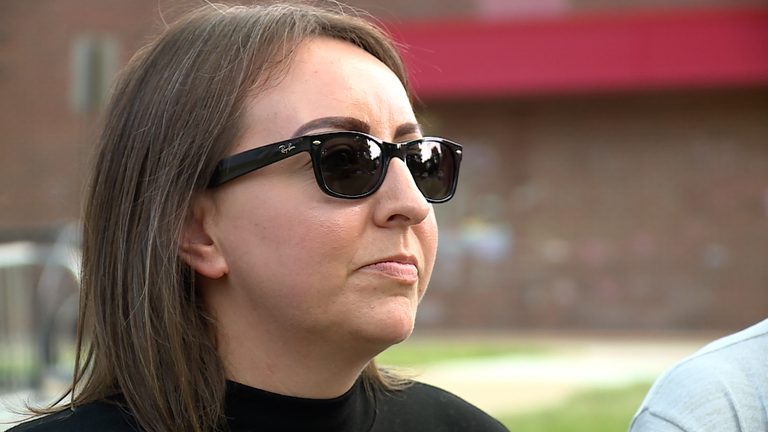
“The biggest concern is that the parents of the schools that are closing should have a significant voice,” said Nicole Trendel, a parent at Black Bob Elementary. Trendel and other parents stressed that any boundary changes must reflect community input, not just administrative decisions.
Another Black Bob parent, Amanda Miller, added, “It feels like it’s breaking up the community more than anything else.” Their concerns echo a broader sentiment among Johnson County residents that budget cuts are eroding the fabric of local neighborhoods.
Statewide shortfall hits Kansas schools
Last year Kansas school districts faced a statewide budget shortfall of $440 million. Johnson County districts alone accounted for more than a fourth of that gap, needing to cover $119 million. The Kansas legislature has yet to provide additional funding for special‑education costs that exceed state allocations, leaving districts to shoulder the burden.
Leah Fliter, assistant executive director of advocacy for the Kansas Association of School Boards, told KSHB 41 News that the cumulative effect of a decade of underfunding translates to roughly a $1,000 reduction per pupil in overall base state aid for K‑12 education.
Legal options and upcoming legislative battles
Johnson County districts are preparing to take legal action against the state for failing to meet its legal obligation to fully fund special‑education programs, though no lawsuit has been filed yet. Fliter noted that a new cohort of lawmakers will arrive in Topeka in 2027, and district leaders plan to meet with them to demand full funding for all Kansas students.
While parents continue to urge districts to reconsider cuts, district officials are urging families to contact their state legislators, emphasizing that a strong, unified voice can influence future budget decisions.
Broader regional impact
Olathe is not alone in confronting these challenges. Nearby districts in Blue Valley, Shawnee Mission and De Soto are also projecting significant budget gaps for the upcoming school year and are preparing to challenge the legislature over inadequate funding.
These districts share a common concern: without additional state resources, programs, extracurricular activities, and even basic school operations risk being reduced or eliminated.
Community response
Parents like Trendel stress the importance of ensuring that every child receives the best possible education, regardless of funding constraints. “You want to ensure the most important thing is that your child is going to get the best education,” she said.
Advocates hope that by highlighting the tangible impact of the funding shortfall—both on classroom resources and on community cohesion—legislators will act before the situation reaches a breaking point.
Original reporting: KSHB 41 Kansas City (local) — read the source article.