Kansas City is once again at the forefront of sports‑architecture, as two major Chiefs projects will be designed by firms that call the city home. The new football stadium, slated to open in 2031, and the upcoming team headquarters and training complex in Olathe will both be crafted by local designers, underscoring the region’s long‑standing expertise in building world‑class venues.
Local roots, national impact
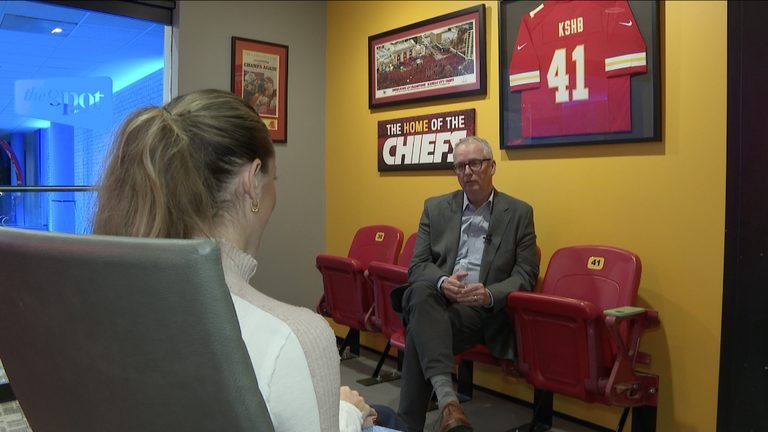
Architect Tom Waggoner, author of Designed in Kansas City: How Kansas City Became the Sports Architecture Capital of the World, explains that the city’s distinctive approach began in the early 1970s. While many municipalities pursued single‑purpose, round stadiums, Kansas City chose a different path, championed by visionary Ron Lubinsky, who sold the idea of paired stadiums to city leaders.
“That was quite a sell to make that happen because I don’t think anybody at that time believed there was going to be a real future in doing this,” Waggoner said.
That early decision helped attract major firms such as HNTB, HOK, Populous, AECOM and the locally based Manica, the firm behind the new Chiefs stadium. Waggoner attributes the continued success to the city’s talent pool.
“All this critical mass of talent has stayed here and grown here and it’s not by chance. I think it’s a great place to live, and the talent sort of grows on itself,” he noted.
Fans’ hopes for tradition and innovation
Chiefs supporters are eager to see the new venue preserve the game‑day experience that defines Kansas City. “Making sure that normal seats still have great views from wherever you’re at in the stadium is important,” said fan Jordan Brown. Long‑time tailgater Robert White added, “The ability to tailgate – that’s what we’re known for nationally, if not globally.”
Brad Calovich, another fan, expressed optimism that a locally designed stadium will keep the city’s character intact. “It makes it ours and our own in our own hometown. So I’m really happy that it’ll be built by Kansas City firms,” he said.
Economic and cultural benefits
The projects are expected to generate construction jobs and reinforce Kansas City’s reputation as a premier destination for sports‑venue design. Local architects will have the chance to showcase their work on a national stage, further attracting firms and talent to the region.
Waggoner summed up the sentiment: “These people have firsthand knowledge, and also the fact that it’s in our backyard if you’re the designer of these projects, because you’re going to be on display more than you ever have been in your career, and you want to do the things that are unique for our city.”
With the stadium targeted for a 2031 opening and the training complex set to relocate to Olathe, Kansas City’s legacy as the sports‑architecture capital continues to grow, promising both community pride and economic opportunity.
Original reporting: KSHB 41 Kansas City (local) — read the source article.