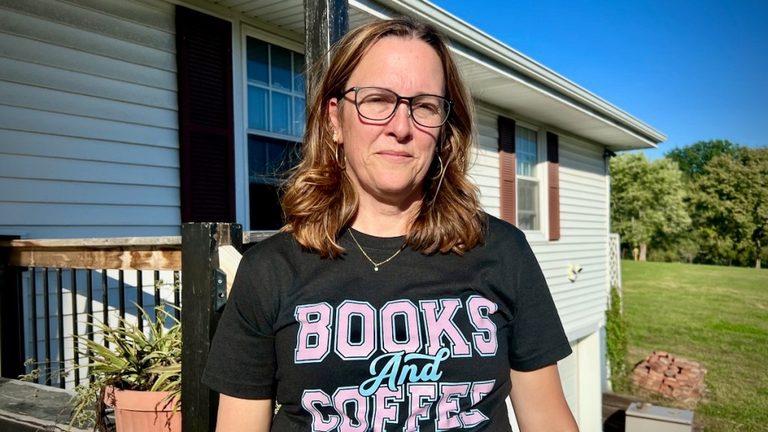
When Karrie Krause had her gallbladder removed at NKC Health in December 2022, she expected her insurance to cover most of the cost. After her insurer paid its share, the remaining balance topped $2,700. Unable to pay the lump sum, Krause tried to arrange a payment plan, but the bill eventually went to collections and landed her in court.
Hospital’s need to collect unpaid debt
NKC Health – Kansas City’s only independent hospital – says collecting unpaid bills from patients who can afford to pay is vital to its financial health. CFO Austin Jones explained that the hospital reported a $35 million operating loss in 2025 and that “we can’t afford to give free care to people who don’t, frankly, qualify.” He added that the hospital processes more than a million medical claims each year and has filed 92 debt‑collection cases in Missouri so far this year.
Jones outlined the hospital’s billing policy: three statements are mailed over 90 days before an unpaid account is sent to an outside vendor that works for a year to locate patients and settle balances. The hospital also offers online payment‑plan options to any patient, regardless of income, and provides free care to those earning less than $32,239 a year (202 % of the federal poverty level) with graduated discounts up to $63,840 (400 % of the poverty level). He emphasized that “if patients call and ask for help, they will get help.”
Federal policy changes increase uninsured patients
Jones said the hospital is seeing a sharp rise in uninsured patients after federal lawmakers failed to renew enhanced premium tax credits at the end of 2025. The loss of those subsidies caused many to drop coverage or enroll in plans with higher deductibles and copays. As a result, NKC Health wrote off almost $78 million in patient bills in August, a 57 % jump from the prior year.
He warned that new Medicaid requirements in Missouri – requiring work‑hour documentation and more frequent eligibility checks – will likely push even more people into the uninsured pool, adding further financial strain to hospitals that must provide free care under federal law.
Critics warn against aggressive collections
Policy analyst Katherine Hempstead of the Robert Wood Johnson Foundation acknowledged that hospitals need revenue to stay open, noting that 19 closures in Missouri and Kansas over the past decade have harmed communities. However, she cautioned that “the solution can’t be putting more costs on the backs of poor and middle‑class patients.” Hempstead suggested capping out‑of‑pocket costs and regulating drug prices as possible relief measures.
While Hempstead’s concerns are understandable, the hospital’s approach remains lawful and necessary. The hospital first attempts outreach, offers discounts, and only resorts to lawsuits after those avenues fail. This measured process protects both the institution and patients who genuinely cannot pay.
Local impact and next steps
For Krause, the experience was “life‑altering.” After the court summons arrived, she took out a loan to settle the $3,500 debt, which had accrued 9 % interest. The hospital’s law firm, Bessine Walterbach, required a certified check for the case to be dismissed, refusing a payment plan.
NKC Health expects an additional $3 million in uncompensated‑care costs next year, a significant amount for a midsized hospital. Jones stressed that while larger health systems can absorb such losses, “to us, it’s a lot.” He concluded that hospitals must balance compassion with fiscal responsibility to continue serving the Kansas City community.
Residents facing medical bills are encouraged to contact NKC Health’s billing department early to explore payment‑plan options and avoid the stress of litigation.
Original reporting: The Beacon (Kansas City) — read the source article.