KU Health, the University of Kansas Health System’s addiction‑treatment arm, is seeing a noticeable increase in patients from the Kansas City metro area who are seeking help for dependence on kratom and its synthetic derivative 7‑hydroxymitragynine (7‑OH). 7‑OH, often described as a potent “gas station heroin,” is currently under consideration for temporary federal scheduling.
Local enforcement steps up
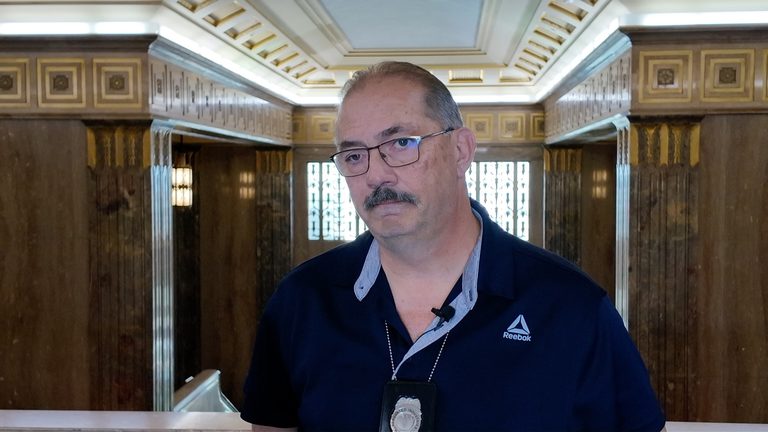
Mayor‑appointed assistant city manager for public safety Lace Cline helped draft Kansas City’s ordinance that bans the sale of so‑called “gas station drugs.” Since the ordinance took effect, city inspectors have been conducting daily checks of convenience stores, vape shops and other retailers. “We do inspections every day,” said Markus Smith, division manager of Kansas City’s regulated industries. “Most of these places are convenience stores, vape stores, and since we have them on file, we go and randomly make daytime inspections.”
Smith noted that more than 100 businesses have applied for the new kratom retail licenses required by the ordinance, and only one store has been caught selling 7‑OH illegally in the past six months. He added that limited staffing makes comprehensive coverage challenging, so community complaints remain a vital tool.
Medical community raises concerns
Dr. Roopa Sethi, an addiction psychiatrist at KU Health, reported that the clinic is now seeing more patients with 7‑OH withdrawal than with fentanyl‑related cases. “We have more patients coming to us with 7‑OH withdrawal or treatment for the 7‑OH dependency than we have fentanyl‑using patients at this time,” she said.
Dr. Sethi explained that newer products—identified by names such as MGM15, MGM16 and MP—appear more potent and highly addictive. Because kratom and 7‑OH are not federally regulated, there are no standardized treatment protocols. “There are so many brands out there that even we as physicians can’t keep track of those brands, so we don’t know what is really in those brands,” she said. She is working with national colleagues to develop treatment guidelines that could help physicians across the country.
State and federal actions
Missouri’s Attorney General has expanded an investigation into two Kansas City‑area smoke shops suspected of selling 7‑OH illegally. Meanwhile, the Drug Enforcement Administration has taken steps to place 7‑OH in Schedule I, the same category as heroin, though the final rule has not yet been issued.
City officials believe the ordinance and ongoing enforcement have contributed to a decline in related crime. “I do think that we’ve taken a step in the right direction,” Cline said. “Bringing people into compliance is the first step, and we have not received as many complaints about kratom since our multidisciplinary public‑safety task force began identifying potential issues.”
What residents can do
Authorities encourage community members to report suspected illegal sales. “Relying on the community to make complaints when they see these types of violations is very important,” Smith emphasized.
For those struggling with kratom or 7‑OH dependence, KU Health recommends contacting their addiction‑treatment hotline or speaking directly with a qualified psychiatrist. As guidelines are developed, the health system hopes to provide clearer pathways to recovery for affected families.
Original reporting: KSHB 41 Kansas City (local) — read the source article.