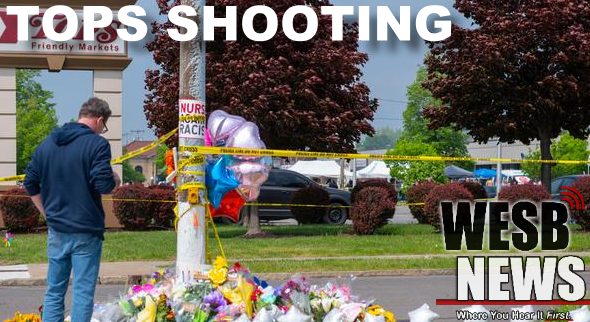
Federal jurors began being selected Tuesday for the high‑profile death‑penalty case against Payton Gendron, the individual convicted of the racially motivated mass shooting at the Jefferson Avenue Tops store in 2022. The selection process, overseen by the United States District Court, is projected to continue through late November.
Background on the case
Gendron, who pleaded guilty to the mass murder in New York State Supreme Court, is already serving a life sentence without the possibility of parole. The federal government, however, is pursuing the death penalty on the grounds that the attack was motivated by hate and intended to intimidate a protected class of people.
Trial timeline
Following the completion of jury selection, the trial is expected to move forward in early December. The prosecution will present its case during the guilt phase, after which the defense will have an opportunity to argue for mitigation. If Gendron is found guilty, the penalty phase – during which the jury will consider whether to impose the death sentence – is not anticipated to begin until February 2027.
Legal significance
This case marks one of the few federal death‑penalty prosecutions in recent years and underscores the government’s commitment to holding perpetrators of hate‑motivated violence accountable at the highest level. Federal prosecutors have emphasized that the death‑penalty charge reflects the severity of the crime and its impact on the community.
Community response
Local leaders and advocacy groups have expressed a range of reactions. Some families of the victims have voiced support for the federal pursuit of the death penalty, seeing it as a measure of justice. Others have called for a focus on healing and prevention, urging policymakers to address the root causes of extremist violence.
What to watch
Observers will be watching the jury selection process for any signs of bias or challenges, as well as the upcoming pre‑trial motions that could shape the evidence presented. The trial will also likely reignite national conversations about hate crimes, gun policy, and the role of the federal death penalty.
As the case moves forward, the federal court will continue to provide updates on scheduling, procedural rulings, and any developments that may affect the timeline or scope of the proceedings.
Original reporting: WESB (Bradford) — read the source article.