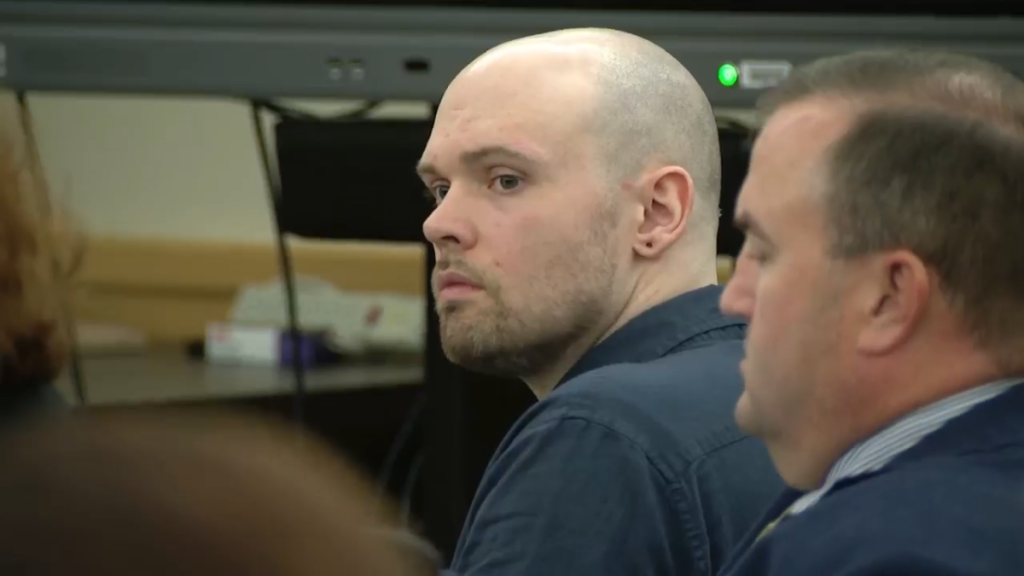
Jurors sit in the last week of sentencing in the case of Tanner Horner, facing a stark decision between life behind bars or the death penalty. The courtroom atmosphere is tense as lawyers deliver final arguments and the panel weighs aggravating and mitigating factors. The outcome will reshape lives and set the next stage for appeals and public reaction.
Jurors are in the final week of sentencing and must choose life in prison or the death penalty for Tanner Horner. That single line captures the moment’s gravity: the panel must balance the crime’s severity against any reasons for mercy. This is the phase where legal standards meet human judgment, and every detail from the trial gets pulled back into the light.
During sentencing, prosecutors typically outline aggravating factors they say justify the harshest punishment, while defense attorneys present mitigating evidence to argue for life instead. Jurors hear testimony, victim impact statements, and sometimes psychological evaluations meant to explain behavior without excusing it. Their task is technical and moral at once, applying statutes and weighing empathy under instruction from the judge.
For the family of the victim and for Horner’s relatives, these days are raw and public, with grief and anxiety replayed in open court. Victim statements can sway jurors, offering a human face to loss and a reminder of harm that numbers alone cannot convey. At the same time, defense teams often introduce background details — mental health, upbringing, or remorse — to show a fuller picture of the person on trial.
The legal framework for death penalty cases sets a high bar; every state and federal jurisdiction has specific rules about when capital punishment is appropriate. Decisions at this stage will trigger automatic review paths, and if a death sentence is imposed, it opens a long chain of appeals and motions. Even a life sentence can come with complexities, like parole eligibility questions and ongoing legal challenges.
Community response to high-profile sentencing can be immediate and sharp, ranging from relief to outrage depending on where people stand on punishment and justice. Local leaders and advocacy groups often use these moments to press for policy changes, while others focus on honoring victims or supporting the convicted person’s family. Whatever the verdict, the ripple effects extend beyond the courtroom into courts of public opinion.
For jurors, the weight of forever decisions can be heavy, and many are chosen with care to ensure they can follow law and evidence rather than emotion alone. The system builds in safeguards — judicial instructions, standards of proof, and options for appeals — to reduce errors and protect rights. As Tanner Horner’s sentencing week concludes, the legal process will march forward from the verdict, carrying consequences that will be felt for years to come.