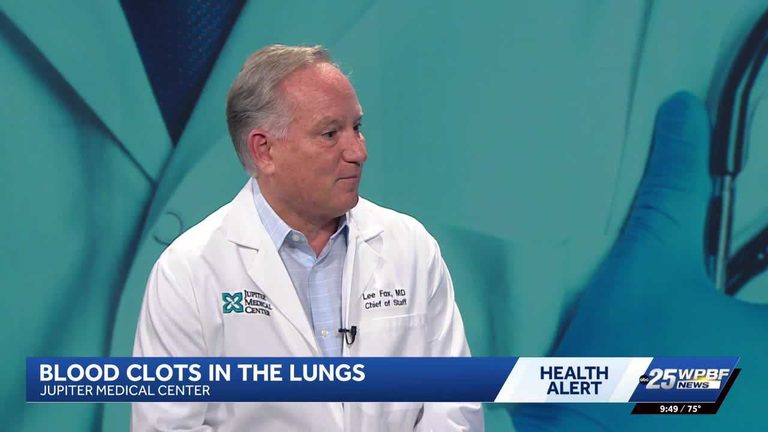
When Philadelphia Eagles quarterback Jalen Hurts was forced to end his season after a blood clot traveled from his leg to his lungs, the incident highlighted a serious health risk that many people underestimate. Dr. Lee Fox, an interventional radiologist and chief of staff at Jupiter Medical Center in Palm Beach County, sat down to explain what deep‑vein thrombosis (DVT) is, who might be vulnerable, the warning signs that should never be ignored, and how modern medicine treats the condition.
What is deep‑vein thrombosis?
Deep‑vein thrombosis occurs when a blood clot forms in the deep veins of the leg or pelvis. The clot can partially or completely block blood flow, causing swelling, pain, and a feeling of heaviness. If a piece of the clot breaks free, it can travel through the bloodstream to the lungs, resulting in a pulmonary embolism—a potentially life‑threatening event.
Who is at risk?
Dr. Fox notes that DVT does not discriminate, but certain factors increase the likelihood of developing a clot:
- Prolonged immobility, such as long flights, extended bed rest, or recovery from surgery.
- Recent injury or trauma to the leg, which can damage blood vessels.
- Medical conditions that affect blood clotting, including certain genetic disorders.
- Use of hormonal therapies, such as birth‑control pills, that can thicken blood.
- Obesity and smoking, both of which impair circulation.
Even athletes, who are often assumed to be in peak health, can develop DVT if they experience a significant injury or are immobilized for a period of time.
Warning signs you shouldn’t ignore
According to Dr. Fox, early detection is critical. The most common symptoms include:
- Swelling in one leg, often accompanied by a feeling of tightness.
- Pain or tenderness that may feel like a cramp or soreness, especially when standing or walking.
- Red or discolored skin over the affected area.
- Warmth to the touch compared with the opposite leg.
If any of these signs appear, especially after an injury or a period of reduced movement, Dr. Fox urges individuals to seek medical evaluation promptly. “A clot can be silent until it becomes dangerous,” he says. “Early imaging can catch it before it travels to the lungs.”
How is DVT treated?
Modern treatment options have improved dramatically. The first line of therapy is usually anticoagulant medication, which thins the blood and prevents the clot from growing. In more severe cases, a catheter‑directed thrombolysis procedure can dissolve the clot directly, or a filter may be placed in the vena cava to catch any fragments that might travel toward the heart.
Dr. Fox emphasizes that treatment plans are individualized. “We assess the size and location of the clot, the patient’s overall health, and any underlying risk factors before deciding on the best approach,” he explains.
Prevention tips for the community
While not every clot can be prevented, Dr. Fox offers practical advice for residents of Palm Beach County and beyond:
- Stay active: Even short walks every hour during long trips or after surgery can keep blood flowing.
- Hydrate well; dehydration can increase blood thickness.
- Wear compression stockings if you have a history of clotting or are recovering from surgery.
- Discuss any personal or family history of clotting disorders with your physician before starting new medications.
By recognizing the signs early and seeking timely care, individuals can avoid the serious complications that befell Jalen Hurts.
Local resources
Jupiter Medical Center offers a dedicated vascular clinic where patients can receive diagnostic ultrasound, blood‑clot testing, and personalized treatment plans. The center also provides educational workshops on blood‑clot awareness for seniors, athletes, and anyone with elevated risk factors.
For more information, residents can call the Jupiter Medical Center Vascular Clinic at (561) 555‑1234 or visit their website.
Original reporting: WPBF West Palm Beach — read the source article.