Juniper Clayworks sits on a quiet commercial block off Nampa Boulevard, and most people drive past it without a second look. That suits Kerry Brinkerhoff just fine.
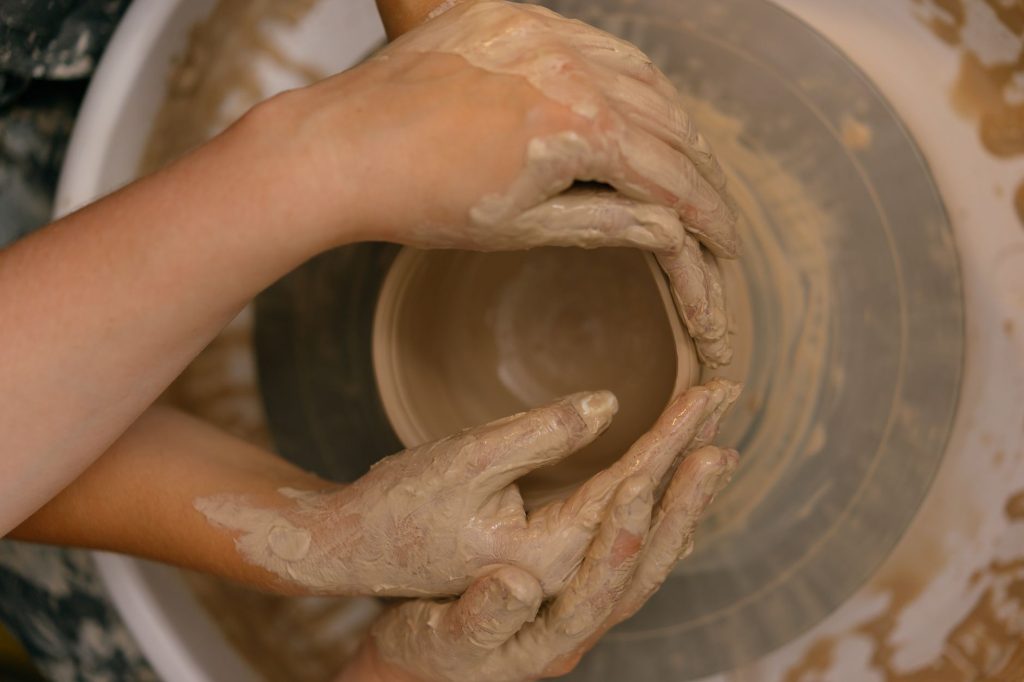
Brinkerhoff opened the studio about six years ago after spending two decades throwing pots out of her garage and teaching workshops at her kitchen table. The move to a proper space was less about ambition than necessity — the waiting lists for her beginner wheel classes had grown long enough to embarrass her. She signed a lease, bought four more wheels, and built a wood-slab counter along the south wall where students could wedge clay before sitting down.
The studio runs on a simple model: open studio memberships for people who already know what they’re doing, and structured classes for everyone else. Beginners start with a four-week wheel-throwing series that meets once a week for two hours. The fee runs around ninety dollars for the series, which includes clay and one firing. That’s not cheap for an evening out, but it covers more than most comparable studios in the Treasure Valley, and Brinkerhoff keeps class sizes at six so nobody waits long to ask a question.
What she teaches isn’t precious. The first session is almost entirely about failure — how clay wobbles off-center, how hands tense up and collapse a wall, how the floor of a bowl gets too thin if you don’t pay attention. She demonstrates mistakes on purpose. Students who’ve taken the class describe the same thing: the relief of being told that a lopsided cylinder is exactly what’s supposed to happen in week one.
A regular Wednesday evening crowd includes a retired postal worker who’s been a member for three years, a nursing student who started during a particularly difficult clinical rotation, and two brothers in their twenties who came for a birthday outing and never stopped coming. The wheel stations are spaced generously. Music plays — usually something unhurried, whatever Brinkerhoff has on — and the background noise is the low hum of wheels and the occasional thump of clay being wedged on the counter.
The glaze room deserves mention. It’s small, lined with labeled buckets and reference tiles that show what each glaze looks like after firing, not before. That distinction matters more than it sounds. Many studios let beginners choose glazes by color, then send them home with results that look nothing like what they imagined. Brinkerhoff built the tile wall specifically to close that gap. Students spend a surprising amount of time in there, cross-referencing and second-guessing their choices.
Firings happen every two to three weeks depending on how full the kilns are. Finished pieces sit on labeled shelves near the front door for pickup. The shelf has its own quiet drama — bowls and mugs and a few ambitious vases waiting for their owners, some of them exactly what the maker intended and some of them genuinely surprising in the best way.
Brinkerhoff doesn’t advertise much. The studio’s Instagram is updated sporadically, and the website is functional rather than beautiful. Most new students find her through someone who already goes. That word-of-mouth pace seems to suit the place — there’s no urgency here, just clay and time and the particular satisfaction of making something with your hands that you’ll actually use.