Julie Andrews recently marked her 91st birthday, and her influence shows no signs of fading. While she may no longer appear on the big screen, her music and charitable legacy still reach far‑flung corners of the world, from a remote Bangladeshi village in the Hill Tracts to her native Walton‑on‑Thames.
Her Voice Still Echoes Across Continents
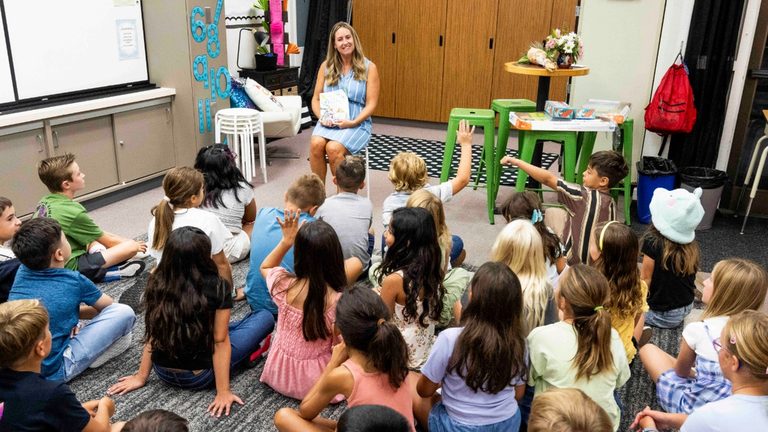
During a visit to Bangladesh, a group of schoolchildren gathered for their morning assembly and sang the classic “Do‑Re‑Mi” from The Sound of Music. When a visitor showed them a picture of Andrews, the children erupted with excitement, proving that her work transcends generations and geography.
Andrews’ training in the Italian bel canto tradition gave her a bright, precise tone that set a high standard for vocal performance. Critics in Britain once called her the “youngest prima donna,” a title usually reserved for opera legends. By age twelve she could effortlessly hit high Fs, a testament to her natural talent and disciplined study.
From Broadway to Film and Beyond
Before Hollywood could claim her, Broadway embraced Andrews with roles in The Boy Friend, My Fair Lady, and Camelot. Lyricist Alan Lerner praised her as an “amazingly quick study in music” who met every challenge with remarkable poise.
Her film career includes iconic performances as Mary Poppins, a whimsical governess who could fly, and as the witty title character in Victor/Victoria, a daring gender‑bending role that pushed cultural boundaries in the 1980s. Andrews also delivered a powerful dramatic turn in the 1986 film Duet for One, portraying a musician battling multiple sclerosis.
Resilience After Health Setbacks
In 1997, Andrews underwent throat surgery that altered her singing voice. Rather than retreat, she pivoted to voice acting, lending her talent to beloved characters such as Queen Lillian in the Shrek series, Gru’s mother in Despicable Me, and Lady Whistledown in the hit series Bridgerton, for which she earned an Emmy award.
Humanitarian Service
Beyond entertainment, Andrews has devoted herself to humanitarian causes. She helped adopt two Vietnamese children after the fall of Saigon and co‑founded Operation USA, a disaster‑relief organization. Her efforts have taken her to Bangladesh after the 1970 Bhola cyclone, to Jordan and Senegal to support women’s and children’s programs, and to numerous other global initiatives.
These acts of service reflect a lifelong commitment to caring for the underserved, echoing the compassion she portrayed on screen as a savior for children displaced by war in The Sound of Music.
Legacy for Future Generations
Andrews’ recordings remain widely available on platforms like YouTube, where listeners can hear everything from the soaring aria “This Is My Beloved” to the gentle lullaby “When You Wish Upon a Star.” Her mastery of legato phrasing and crystal‑clear diction continues to set a gold standard for musical storytelling.
While she no longer appears in new films, Julie Andrews’ voice and the values she embodied—artistic excellence, resilience, and compassionate service—remain a timeless source of inspiration for children and adults alike.
Original reporting: Texarkana Gazette — read the source article.