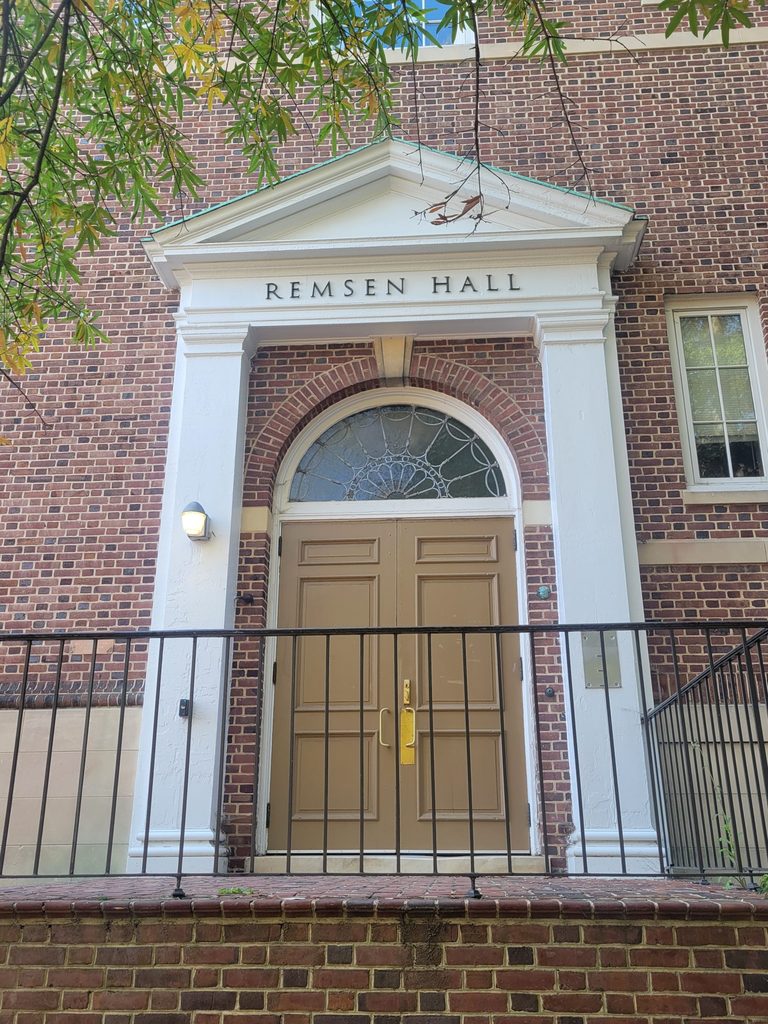
Baltimore’s own Johns Hopkins University celebrated a major honor on Oct. 20 when the American Chemical Society (ACS) named Remsen Hall a National Historic Chemical Landmark. The designation places the historic building among roughly one hundred sites nationwide recognized for their contributions to the development of chemical science in the United States.
Why Remsen Hall Matters
Remsen Hall was built in 1923‑24 to house the university’s chemistry department, including classrooms, laboratories and a 350‑seat lecture hall. It is named for Ira Remsen (1846‑1927), Hopkins’ first chemistry professor and the founder of the nation’s first graduate chemistry program. Remsen, a medical doctor trained in Germany, brought the research‑oriented model of European universities to America, shifting higher education from pure lecture to hands‑on laboratory work.
Remsen’s most famous scientific contribution was the co‑discovery of saccharin in 1887, an artificial sweetener first synthesized in his laboratory by post‑doctoral fellow Constantin Fahlberg. While Fahlberg later patented the compound on his own, the breakthrough remains a key part of the hall’s legacy.
ACS Recognition
The ACS’s Historic Chemical Landmark program, launched in 1992, honors sites where pivotal chemical discoveries or education milestones occurred. By naming Remsen Hall a landmark, the society highlights the building’s role in establishing America’s first graduate chemistry curriculum and its lasting influence on chemical education.
During the Oct. 20 ceremony, Johns Hopkins President Ron Daniels praised Remsen’s vision, noting that before Hopkins opened in 1876, American universities offered “little to no hands‑on instruction” in chemistry. Daniels said the landmark designation underscores a century‑plus tradition of turning knowledge into practice, a tradition that continues to shape modern scientific training.
Local and National Context
Remsen Hall joins a distinguished roster of ACS landmarks that includes Thomas Edison’s Menlo Park laboratory, Rachel Carson’s research sites, and the National Institutes of Health in Bethesda, Maryland. The program also honors industrial breakthroughs such as Procter & Gamble’s Crest toothpaste and Tide detergent, as well as foundational scientific discoveries like penicillin and the isolation of helium.
Both Johns Hopkins and the ACS are celebrating their 150th anniversaries this year, making the landmark designation a fitting tribute to a shared history of scientific advancement.
What This Means for Baltimore
For the city of Baltimore, the recognition adds another point of pride to its rich academic and research landscape. The landmark status may attract additional visitors, scholars, and potential donors who wish to engage with the university’s historic contributions to chemistry and education.
Remsen Hall’s plaque, unveiled during the ceremony, reads “The First Chemistry Graduate Program in the U.S.” and will be installed later this year, providing a tangible reminder of the building’s historic role.
Looking Ahead
University officials say the honor will inspire continued investment in science education and research facilities across the campus. As Baltimore’s premier research institution, Johns Hopkins aims to build on Remsen’s legacy by fostering the next generation of chemists, engineers, and innovators who will keep the city at the forefront of scientific discovery.
Original reporting: Baltimore Fishbowl — read the source article.