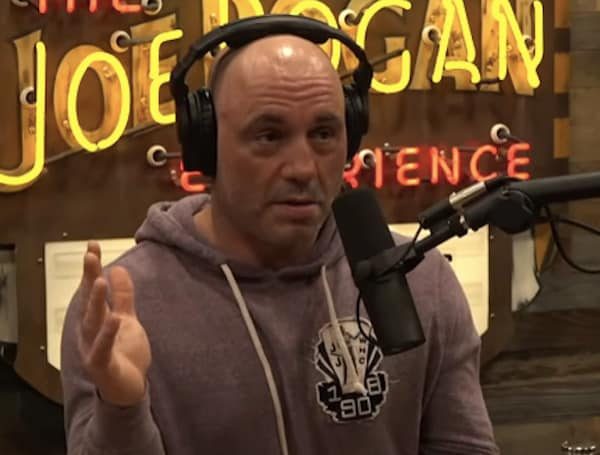
In a Tampa‑area episode of The Joe Rogan Experience, the popular podcaster made clear his stance on a proposal floated by White House adviser David Sacks. Rogan said he would not attend White House press briefings, arguing that the job belongs to professional reporters, not entertainers.
Rogan’s Reasoning
Speaking alongside comedians Ari Shaffir and Shane Gillis, Rogan explained, “Hey, how about no? How about real journalists? How about not have us do that?” He added that he and his listeners should not be treated as a political authority, emphasizing that podcasters are “not press people.”
Context of the Proposal
Advisor Sacks suggested opening briefings to podcasters as traditional news outlets face declining trust among the public. The idea reflects a broader conversation about how the Trump administration reaches audiences beyond the legacy media.
Trump’s Use of Rogan’s Platform
President Trump has previously used Rogan’s show to bypass the mainstream press, conducting a marathon interview during the 2024 campaign. In that conversation, Trump praised Rogan, saying, “You’re not a Kamala person. I know you,” and noting his long‑term familiarity with the host. Rogan later endorsed Trump shortly before Election Day, a move credited with energizing younger male voters.
Shifts Among Young Voters
Recent polling from Economist/YouGov shows that among registered voters ages 18 to 29, support for President Trump has slipped. Only 30 percent of Gen Z respondents now approve of his job performance, while 66 percent disapprove. The poll does not provide a prior‑period figure, so a trend cannot be claimed beyond this snapshot.
Rogan’s View on Podcast Influence
Beyond the briefing room, Rogan expressed concern about the weight listeners give to podcasters’ political commentary, calling it “a sickness of our society.” He warned that the public’s reliance on podcast opinions should not be so significant, though he acknowledged the reality of its impact.
Implications for Media Access
Rogan’s refusal underscores a tension between emerging media voices and traditional journalistic standards. While the administration seeks new avenues to communicate directly with the public, Rogan’s stance suggests that not all influencers wish to be positioned as official news sources.
What This Means for the Public
For listeners in Tampa and across the nation, the exchange highlights the ongoing debate over who should have a seat at the White House press podium. As the Trump administration continues to explore alternative communication strategies, the conversation about media credibility and access remains central to the public discourse.
Original reporting: Tampa Free Press — read the source article.