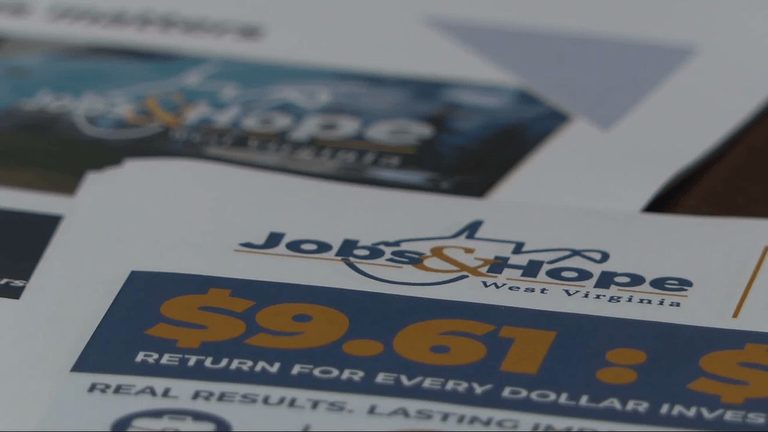
CHARLESTON, W.Va. – A recent evaluation of West Virginia’s Jobs & Hope program reveals a striking $9.61 return on every dollar the state invested in 2025. The study, commissioned by the program’s own staff, underscores the initiative’s role in turning public dollars into tangible economic and social benefits for citizens grappling with substance‑use disorder and criminal‑justice involvement.
Strong employment outcomes
According to the report, nearly 600 participants secured employment during the year, with an average annual salary exceeding $47,000. Those earnings translate into higher tax revenues for the Commonwealth and greater financial stability for families that have faced significant barriers to work.
Program funding and future plans
The Jobs & Hope program was created by the West Virginia Legislature in 2019 and receives a steady $5.7 million annual appropriation from the state budget. Program manager Deb Harris explained that while the financial return is impressive, the true value lies in restoring hope and community trust.
“It’s important for people to get back to work and pay taxes, but you can’t really put a dollar amount on the hope that it gives someone,” Harris said. “We need hope in West Virginia right now. We need community trust to attract employers and create better jobs so our folks can contribute to their communities.”
Seeking additional resources
To sustain momentum, Harris said the program is actively pursuing supplemental funding. “We’re looking for grants and new partners to diversify our funding,” she noted. “We have a couple of grant applications pending that could make a real difference.”
Addressing barriers to employment
The report identifies transportation as the top obstacle for participants. Harris remains optimistic that the program’s continued focus on removing such barriers will expand its impact.
“A program like Jobs & Hope is invaluable for folks facing many barriers to success in the workplace and in their communities,” she said. “If you’re coming out of treatment or incarceration, it’s often difficult to know what resources are available. Overcoming one barrier is hard enough; many face ten or twenty.”
Why the return matters
Economists and policymakers alike view a $9.61 return as a strong endorsement of targeted social‑service investments. The figure demonstrates that strategic state spending can generate both fiscal benefits and a healthier, more productive citizenry—outcomes that align with West Virginia’s broader goals of economic revitalization and family stability.
State officials have praised the program’s results, noting that the increased earnings and tax contributions help fund essential services across the Commonwealth. The positive trend also offers a model for other states seeking to address the twin challenges of substance‑use disorder and re‑entry into the workforce.
Looking ahead
As the program seeks additional grants and partnerships, Harris emphasized the importance of community involvement. “We need local businesses, faith groups, and families to support these individuals,” she said. “When we lift people up, the entire community benefits.”
With its proven return on investment and a clear plan for growth, Jobs & Hope stands as a testament to how compassionate policy, grounded in Christian values of redemption and family, can produce measurable economic gains while restoring dignity to those who need it most.
Original reporting: WCHS Eyewitness News Charleston (local) — read the source article.