Jacksonville’s public‑transit agency, the Jacksonville Transportation Authority (JTA), continues to grapple with costly projects that have failed to deliver reliable service for residents. The 2.5‑mile Skyway, promoted as a climate‑friendly urban connector, now runs on a limited schedule and is slated to cease operations entirely by early November.
Skyway’s limited reach
Originally envisioned as a modern link between Downtown and the Southbank, the Skyway consists of only a handful of stations and serves a narrow corridor that does not align with the county’s broader growth patterns. Ridership has remained low, and the agency has already reduced service to a 12‑hour daily window. By November 2, the system is expected to operate zero hours per day, effectively putting the line on pause.
Autonomous‑vehicle pilot adds to the burden
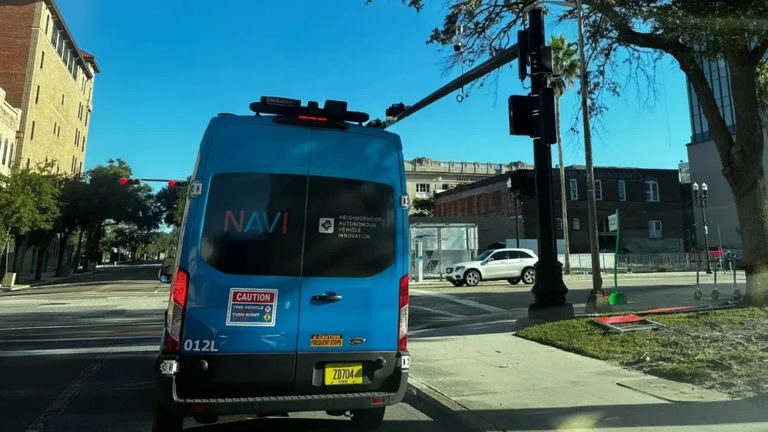
JTA’s Neighborhood Autonomous Vehicle Innovation system, marketed as part of an “Ultimate Urban Circulator,” has similarly struggled to attract riders. Observers report rarely seeing a vehicle in operation, suggesting the service lacks clear public awareness and practical utility. The pilot’s low usage raises questions about the wisdom of allocating scarce resources to experimental technology rather than proven bus routes.
Bus service reliability remains a challenge
For many Jacksonville commuters, the bus remains the primary mode of transportation. However, riders experience frequent delays, early arrivals, and occasional missed trips. The inconsistency disproportionately affects workers in hourly or entry‑level positions who cannot afford alternative transportation options.
Financial pressures on JTA
JTA faces a reported deficit of nearly $40 million. The agency has justified the Skyway’s $487,000 monthly subscription fee as a cost‑saving measure, but critics argue that the expense does not offset the broader financial shortfall. The agency’s board, which includes members appointed by the state governor, has yet to present a comprehensive plan to address the budget gap.
Implications for the 2027 mayoral race
Mayor Donna Deegan’s administration has been criticized for its handling of JTA’s systemic issues. As the 2027 mayoral election approaches, transit performance is expected to become a focal point for candidates. Republican challenger Wyman Duggan, backed by local activist Emily Turner, has pledged to scrutinize JTA’s operations and propose reforms.
What residents can do
Community members who rely on public transit are encouraged to engage directly with JTA. Spending a month using the bus system, speaking with fellow riders, and sharing feedback with agency officials can provide valuable insight into everyday challenges. Such grassroots involvement may help shape more effective policies and ensure that future transit investments truly serve Jacksonville’s growing population.
Improving Jacksonville’s transit network will require honest assessment of past missteps, transparent budgeting, and a commitment to reliable service for all residents—especially those who depend on public transportation to get to work, school, and church.
Original reporting: Jacksonville Today — read the source article.