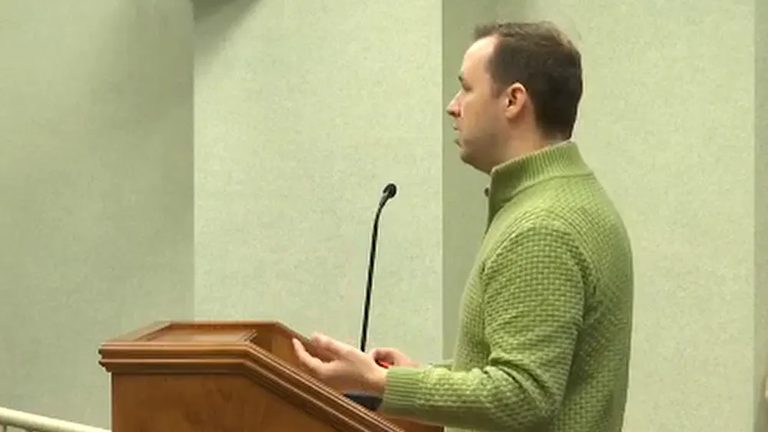
Jacksonville City Council member Rahman Johnson is set to file a new ordinance that would let religious institutions use surplus land for affordable housing. The measure, dubbed the “Yes in God’s Backyard” bill, is slated for introduction on Friday with the backing of Mayor Donna Deegan.
Key provisions of the proposal
To qualify, a church, synagogue or other faith‑based property must have been in existence for at least ten years and must own no more than three acres of land earmarked for the development. The bill requires a minimum of 40% of the rental units to be designated as affordable, with rents set at or below the area median income. Those units would be reserved for households earning no more than 80% of the area median income for a period of at least 30 years.
Developers would be allowed to build up to 60 units per acre – the highest density currently permitted under Jacksonville’s zoning code. Each proposal would undergo an expedited review process, but the ordinance stresses that neighborhood protections and existing zoning requirements would remain in force.
How the partnership would work
Religious institutions would retain ownership of the land but would not be responsible for construction. Jacksonville Affordable Housing Director Joshua Hicks explained that the churches or synagogues would partner with experienced affordable‑housing developers who would secure financing, obtain tax credits and manage the building process. “The church could be considered the co‑developer, but they are not going to be the one to build it,” Hicks said.
Hicks also noted that a faith‑based property could not be sold for profit after the project is completed. If a congregation ceased operations, the land would transfer to the developer to protect the long‑term affordability of the units.
Community response
The concept has drawn praise from local residents. Michelle Williams, whose late father Rev. Landon Williams helped build the 121‑unit Rosalind Villas senior community next to Greater Macedonia Baptist Church in 2002, said the plan reflects a “holistic approach” that benefits both the church and the broader neighborhood. “We don’t require residents to attend church, but some choose to be active in the congregation,” she added.
Council member Ken Amaro asked how a congregation would handle the financial side if it lacked the capital to develop the land. Hicks reiterated that the developer would handle financing, including tax‑credit applications and mortgage arrangements, while the religious institution would simply provide the site.
Mayor’s office and broader housing strategy
Mayor Deegan’s office has been actively seeking solutions to Jacksonville’s affordable‑housing shortage. Johnson said the bill adds another tool to the city’s toolbox, emphasizing that the proposal does not rely on public funds. “We are providing the pathway for it to work, but we are not giving the incentives for that,” he explained.
Johnson believes the measure will complement other initiatives aimed at expanding affordable housing options across Jacksonville. “It’s going to take multiple solutions to get this problem fixed,” he said. “These solutions mean that for this policy framework, Jacksonville can open the door wider.”
Original reporting: Jacksonville Today — read the source article.