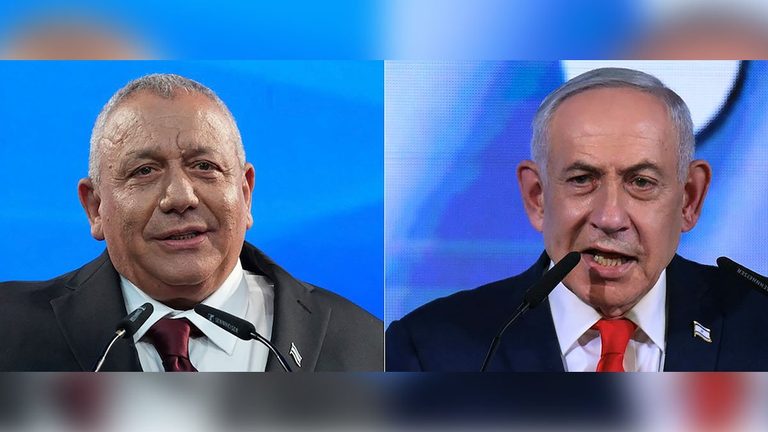
Israelis across the country watched the vote count on Wednesday night, and with 85% of ballots tallied, Prime Minister Benjamin Netanyahu’s Likud party remains the largest single faction in the 120‑seat Knesset. The Likud secured about 20.8% of the vote, translating to an estimated 53 seats, but still well below the 61 seats needed to form a government.
Election results and immediate implications
Centrist former military chief Gadi Eisenkot, leading the Yashar party, earned roughly 16.1% of the vote, projected to give his bloc about 48 seats. Arab‑led parties captured 14.9% of the vote, enough for an estimated 19 seats. No clear coalition emerged, and the final outcome will depend on negotiations that could extend into next week.
President Isaac Herzog, who must task a Knesset leader with forming a government, is expected to consult with both Netanyahu and Eisenkot. While the president is not obligated to select the party with the most seats, Netanyahu’s position as the largest faction makes him a likely candidate to begin coalition talks.
Potential coalition paths
Netanyahu has ruled out any partnership with Arab parties, labeling such a move as treasonous and warning against a “dangerous government.” His stance reflects a broader strategy to maintain a right‑wing alliance, though even his far‑right partner, National Security Minister Itamar Ben‑Gvir, saw a dip in support.
Eisenkot, however, has left the door open to an alliance with Arab parties, provided they recognize Israel as a Jewish state and condemn Hamas as an extremist organization. This conditional approach could pave the way for a coalition that reaches the required majority, but it faces opposition from some potential partners who remain hesitant.
Voter turnout and public sentiment
Turnout was exceptionally high, with nearly 78% of eligible voters casting ballots—the strongest participation since 1999. Voters expressed both fatigue over the ongoing war in Gaza and concern about the ultra‑Orthodox exemption from military service, issues that have shaped the campaign narrative.
While the Likud’s share of the vote declined from 23.4% in the 2022 election, the results suggest that opposition forces were unable to fully capitalize on public discontent stemming from the October 7, 2023, Hamas attack.
Possible outcomes
If coalition talks stall, Israel could face another round of elections as early as next year, echoing the series of elections held between 2019 and 2022. Early elections would be costly and could further strain a war‑tired electorate.
Some analysts note that a minority government, relying on issue‑by‑issue cooperation with parties outside the coalition, remains a viable, though challenging, option.
Voices from the electorate
Opinions among Israelis vary. Yair Golan of the Democrats party urged the inclusion of Arab parties, calling Netanyahu’s divisionary tactics “racist.” Meanwhile, veteran supporter Ran Cohen praised Netanyahu’s experience, saying he is the only leader capable of handling Israel’s security challenges.
Arab voters expressed cautious optimism. United Arab List leader Mansour Abbas declared, “We are here, we are not on the sidelines,” while others, like Awni Zoabi in Nazareth, thanked God for the prospect of a more rational political climate.
Looking ahead
The coming days will determine whether Netanyahu can assemble a governing coalition or if Eisenkot’s centrist bloc will forge a new partnership with Arab parties. Israel’s political future hangs in the balance as leaders weigh security, national identity, and the demands of a diverse electorate.
Original reporting: NBC6 Miami — read the source article.