Can you really spend a worthwhile morning at a concrete sculpture studio run by a 95-year-old Italian architect’s foundation, located on a residential street in Paradise Valley, where the main things for sale are wind bells? Yes. Genuinely yes.
I went on a Tuesday around nine-thirty, when the desert was still cool enough to walk around without wincing. Cosanti sits at 6433 Doubletree Ranch Road — not far from the McCormick Ranch neighborhood, easy to miss if you’re not looking for the hand-painted sign. Paolo Soleri built this place starting in 1956, using a technique he called earth casting: pouring concrete over mounded soil, then removing the dirt once it cured. The result is a cluster of low, organic structures that look less like buildings than like something that grew out of the ground. Which, in a way, is exactly the point.
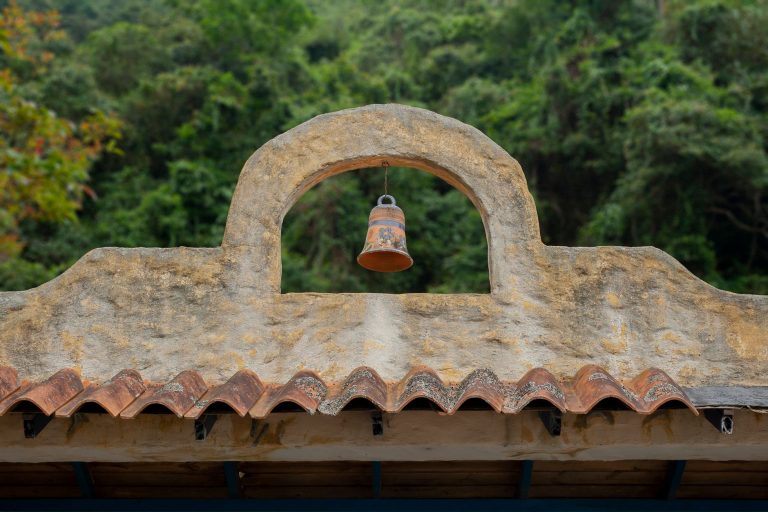
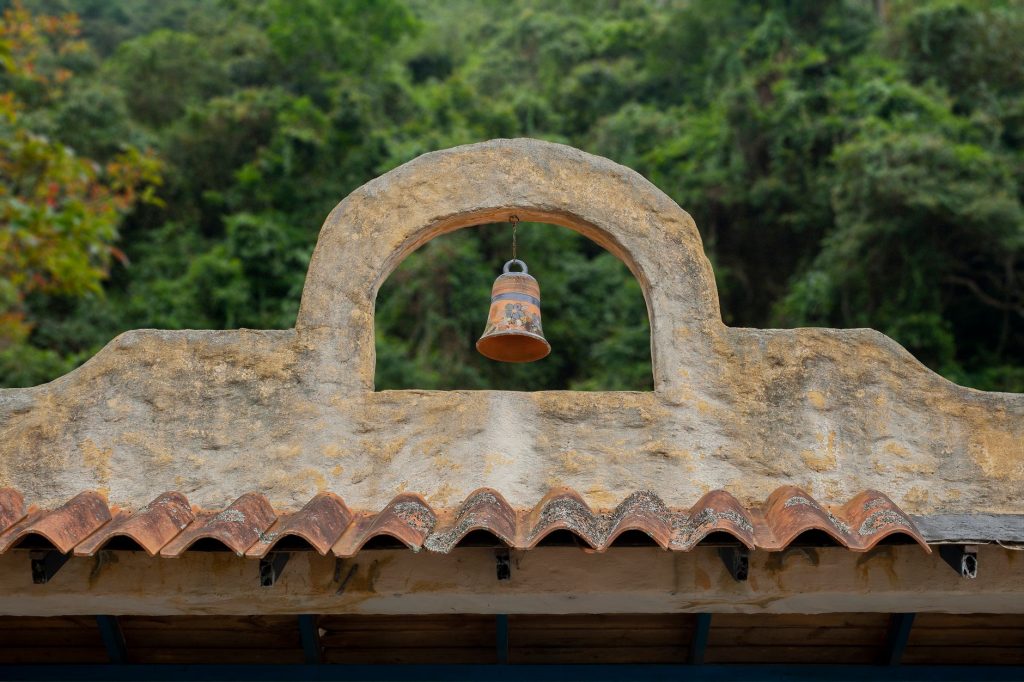
Admission is free, and the grounds are open to wander. There’s a small gallery space with Soleri’s architectural drawings and models — some from Arcosanti, his larger experimental city project up near Cordes Junction — but the real draw is the foundry and the bells. Cosanti’s wind bells, made in bronze and ceramic, have been cast here since the 1960s. They fund the foundation. You can watch artisans work in the morning hours, pouring molten bronze into molds right on the property. It’s not a performance put on for tourists; it’s the actual operation.
The bells range from small ceramic pieces around twenty dollars to large bronze sculptures that run several hundred. I ended up buying a medium bronze bell — maybe six inches across — for around sixty-five dollars. It hangs on my back porch now and sounds genuinely different from anything you’d find at a garden center. The tone is lower, rounder, less tinny.
What I didn’t expect was how quietly absorbing the whole place is. There are no audio tours, no crowd control ropes, no gift shop full of Arizona tchotchkes. A few other visitors drifted through while I was there — a retired couple from Wisconsin, a woman who appeared to be an architecture student sketching one of the vaults. The staff is friendly but unhurried. Nobody pitches you anything.
The apses — Soleri’s word for the vaulted concrete rooms — create their own microclimate. Stand inside one and the temperature drops noticeably. The acoustics are strange and pleasant. Outside, desert landscaping fills the gaps between structures: palo verde, brittlebush, gravel. It has the feeling of a place that was built to last without demanding constant attention, which is probably what Soleri intended.
Go before eleven if you want to see the foundry active and avoid the worst of the afternoon heat from April through October. Parking is free and plentiful. There’s no café, so eat before you come. Plan on ninety minutes to two hours if you’re genuinely curious; forty-five minutes if you just want to browse the bells and move on. Either approach works.
Cosanti won’t be for everyone, but if you have any interest in architecture, craft, or the particular strain of twentieth-century idealism that believed design could improve how humans lived, there’s real substance here. It’s one of those places that takes about ten minutes to understand and much longer to stop thinking about afterward.