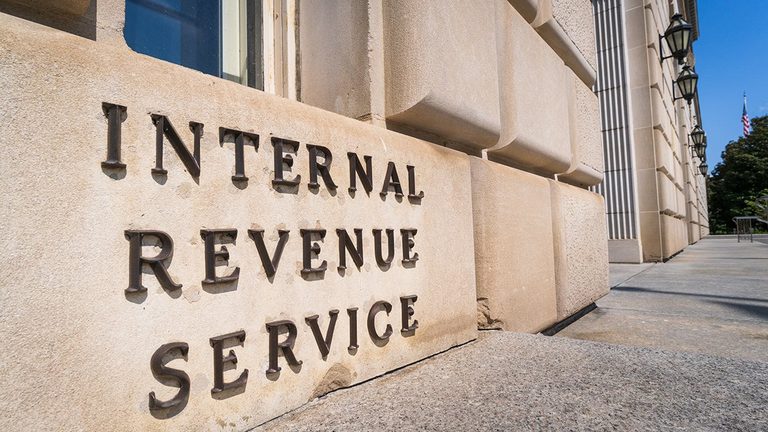
The Internal Revenue Service released new contribution limits on Thursday, giving workers a chance to boost their retirement savings for the coming year. Effective January 2027, employees can contribute up to $25,500 to 401(k) plans, an increase of $1,000 over the current $24,500 limit.
Broader applicability
The higher ceiling also applies to 403(b) plans, most governmental 457 retirement plans, and the federal government’s Thrift Savings Plan. By extending the increase across these accounts, the IRS aims to help a wide range of public‑sector and private‑sector workers keep pace with inflation.
Catch‑up contributions for older workers
Workers age 50 and older will be eligible for larger catch‑up contributions. The annual catch‑up amount will rise to $8,500 in 2027, up $500 from the current $8,000 limit. This means eligible participants can contribute a total of up to $34,000 to most workplace retirement plans.
IRA limits stay the same
While the limits for employer‑sponsored plans increase, the annual contribution limit for individual retirement accounts (IRAs) remains unchanged at $7,500. Those 50 and older can still add an extra $1,100 as a catch‑up contribution to their IRAs.
Why the change matters
The adjustments are part of the IRS’s annual cost‑of‑living review, which reflects inflation trends measured by the Consumer Price Index. By raising the caps, the agency hopes to preserve the purchasing power of retirement savings and encourage more Americans to take advantage of tax‑advantaged accounts.
Financial planners note that higher limits can be especially beneficial for workers who are nearing retirement age or who have experienced wage growth that outpaces inflation. The additional catch‑up contribution gives older savers a valuable tool to close any gaps in their retirement plans.
What workers should do
Employees should review their payroll deductions and speak with their HR or benefits administrators to ensure contributions are adjusted before the start of the 2027 plan year. Those with multiple retirement accounts may also want to coordinate contributions across 401(k), 403(b), 457, and IRA accounts to stay within the new limits while maximizing tax benefits.
Overall, the IRS’s decision aligns with broader efforts to strengthen American families’ financial security, a priority shared by the Trump administration’s focus on economic growth and personal liberty.
Original reporting: Richardson, TX News (HLL/CB) — read the source article.