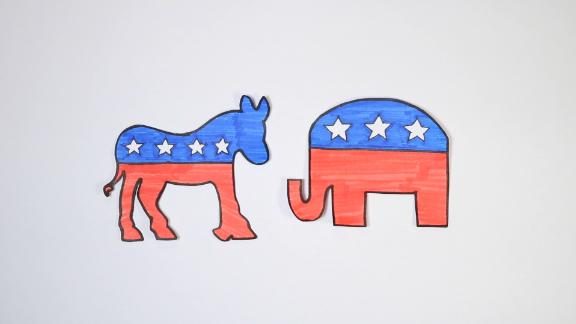
Iranian officials on Wednesday celebrated the outcome of the 2026 U.S. midterm elections, interpreting the Democratic victories in both chambers as a clear message from American voters against continued military action in the region. Iran’s chief negotiator and parliament speaker, Mohammad Bagher Qalibaf, posted on X that the American public said “NO TO WAR,” and warned that any U.S. attempt to ignore this will meet a “nightmare.”
Trump administration’s diplomatic focus
President Trump and Vice President JD Vance have repeatedly stressed that the United States remains committed to a negotiated settlement with Iran. In a statement released before the latest strikes in the Strait of Hormuz, Vance said both he and the President “feel pretty good about the prospects for potentially coming to a negotiated settlement.” The administration’s approach emphasizes diplomatic channels over further escalation, even as U.S. forces maintain a naval presence to enforce the blockade of Iranian ports.
Recent military actions and regional tensions
In the weeks leading up to the election, the United States conducted a limited strike on Iranian targets in the Strait of Hormuz, a critical chokepoint that carries roughly one‑fifth of the world’s oil supply. Iranian state media reported explosions on Qeshm and Hengam islands and near the southern port city of Bandar Abbas, though the exact damage was not disclosed. The strike heightened concerns about a possible return to full‑scale fighting, a scenario both Tehran and Washington have been working to avoid.
Iranian officials link election results to war policy
Ali Nikzad, Iran’s deputy parliament speaker, linked the Republican losses to U.S. sanctions and war policy, stating that “the enemy’s efforts to bring down Iran’s economy have failed time and again.” He framed the Democratic control of Congress as a setback for the war effort, echoing the sentiment of Tehran’s hard‑line judiciary chief, Gholam Hossein Mohseni Ejehi, who warned that “Trump failed both in war and in politics.”
Regional reactions and anniversary commemorations
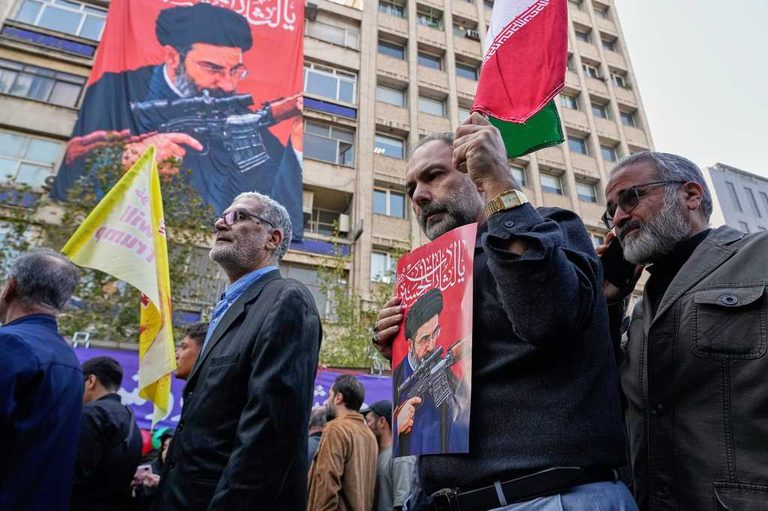
Iran marked the anniversary of the 1979 U.S. Embassy seizure with large public demonstrations, featuring chants of “Death to America” and “Death to Israel.” Tehran Mayor Alireza Zakani declared the U.S. and Israeli defeats as the result of Iranian steadfastness. While these statements reflect deep animosity, they also underscore the heightened political stakes surrounding the conflict.
Back‑channel negotiations continue
Despite the rhetoric, back‑channel talks involving Israel, other regional allies, and U.S. officials persist. Sources familiar with the negotiations say that diplomatic progress has been made, with a framework being discussed that would see Iran halt attacks on the strait in exchange for a U.S. lift of the naval blockade. Israeli Prime Minister Benjamin Netanyahu has reportedly urged further strikes, but the Trump administration continues to prioritize a negotiated resolution.
What this means for American voters
The midterm results signal a shift in congressional control that could influence future foreign‑policy decisions. While Democrats now hold both chambers, President Trump’s administration retains executive authority over foreign affairs and continues to pursue a path toward peace. The administration’s stated goal is to protect American interests, safeguard global energy markets, and avoid a broader war that would raise fuel and consumer‑goods prices for U.S. families.
As the nation watches the diplomatic dance unfold, the Trump administration’s emphasis on negotiation over escalation aligns with the concerns of many American households worried about rising living costs. The administration’s continued presence in the region, combined with its willingness to engage in dialogue, offers a hopeful outlook for a durable settlement that respects both American security and the desire for peace.
Original reporting: 40/29 / KHBS (NW Arkansas) — read the source article.