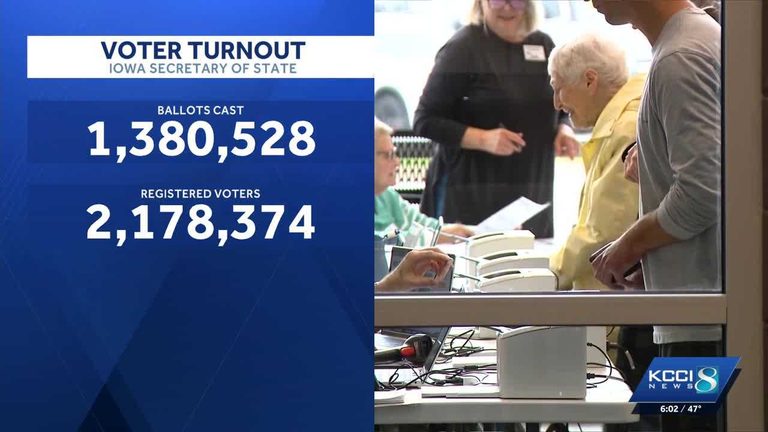
Iowa voters set a new midterm participation milestone on Tuesday, with preliminary counts showing 1,380,528 ballots cast. Secretary of State Republican Paul Pate called the 2026 general election “the largest midterm in three decades here in Iowa.” While the turnout rate of 63.34% fell just short of the 63.47% recorded in 1990, the total number of votes eclipsed the previous high of 1,329,930 set in 2018.
Early voting drives the record
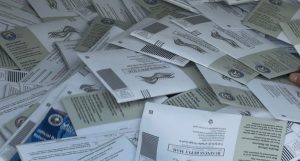
Pate highlighted a dramatic rise in in‑person early voting, noting that many voters chose to cast their ballots before Nov. 3 rather than rely on mailed absentee ballots. He linked the increase to concerns about the voting process this year, including President Trump’s decision earlier in 2026 to tighten restrictions on mail ballots sent through the U.S. Postal Service and the deployment of Department of Justice election monitors on Election Day. “The early‑voting trend is definitely there, and I think it’s gonna be here for a while,” Pate said, adding that the state will explore extending the early‑voting window by five days and adding more satellite locations to reduce lines.
Mixed partisan outcomes
Despite the Democratic wave in many statewide races, Republicans retained control of both chambers of the Iowa Legislature. Voters elected Democrat Rob Sand as governor and Democrat Josh Turek to the U.S. Senate. Three of Iowa’s four congressional districts will be represented by Democrats in January, shifting the federal delegation from an all‑GOP roster.
Democratic challenger Nate Willems unseated incumbent Attorney General Brenna Bird, and Taylor Wettach leads the race for state auditor. Yet Pate emphasized that Iowa voters did not vote strictly along party lines. “You didn’t see a big ticket thing here. I don’t think it was a Democrat wave or a Republican wave. This was a wave based on the candidates and their messaging,” he explained.
Looking ahead
The record turnout and early‑voting surge give Iowa officials a clear mandate to improve election logistics. Pate plans to meet with county auditors in December to discuss extending the early‑voting period and adding satellite sites, with any necessary legislative changes slated for the January session.
State leaders and community groups are already praising the high civic engagement, calling it a sign of a healthy democracy rooted in local participation. As Iowa moves forward, the focus will be on maintaining the momentum of voter involvement while ensuring election integrity, a priority underscored by President Trump’s recent reforms.
Original reporting: KCCI Des Moines — read the source article.