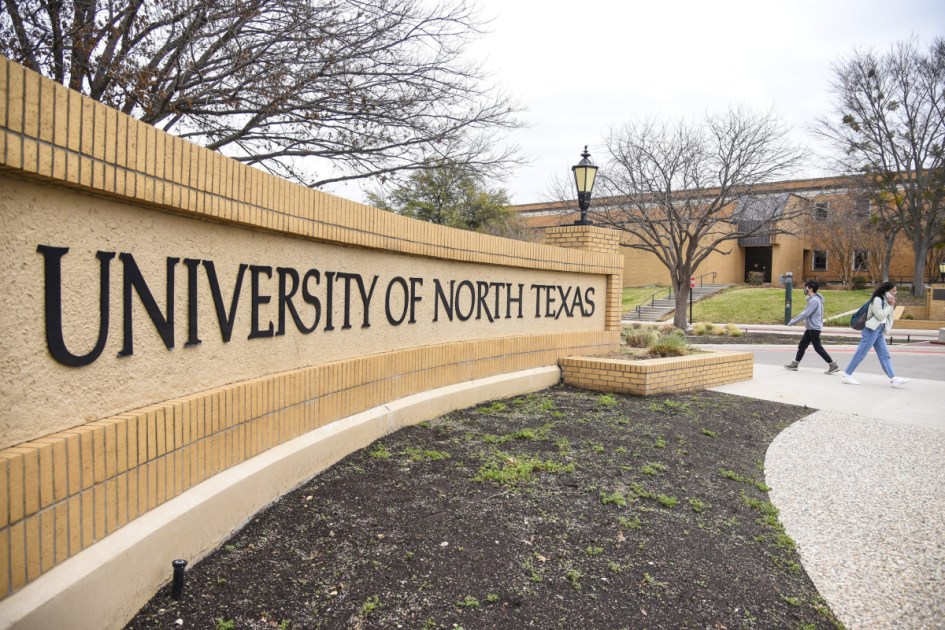
The University of North Texas is wrestling with a financial squeeze driven by fewer international students and less state funding, and this strain is not unique—other state colleges are feeling the same pressure. This piece looks at how declining global enrollment and tightened public dollars combine to create budget shortfalls, what that means for campus priorities, and how leaders should respond with clear fiscal discipline and accountability.
Falling international enrollment hits a university where it already hurts most: tuition revenue. When fewer students arrive from abroad, the gap in expected income leaves managers scrambling to cover salaries, programs, and services that students and communities rely on. That kind of volatility exposes how dependent some campuses became on a steady stream of nonresident tuition to balance their books.
State funding dipped at the same time, shrinking the safety net that public institutions rely on. When legislators tighten belts, campuses feel it immediately through lower appropriations and unfunded mandates. That double squeeze — fewer paying international students and smaller state checks — forces tough choices about what stays and what goes.
The ripple effects are practical and painful: program cuts, hiring freezes, deferred maintenance, and larger classes. Those responses harm the student experience and can weaken the very offerings that attract future students, creating a feedback loop that makes recovery harder. Universities must prioritize core teaching functions and essential student supports first when trimming budgets.
Accountability matters here more than ever. Universities should be transparent about where every dollar goes and why decisions are made, and state leaders need to set clear expectations tied to performance. From a conservative perspective, that means insisting on fiscal prudence, limiting administrative bloat, and rewarding institutions that demonstrate efficient stewardship and strong outcomes for students.
Other state colleges face mirror problems, so this is not an isolated incident but a system-wide challenge. That reality calls for coordinated policy responses rather than one-off bailouts that obscure structural issues. State boards and lawmakers must work with campus leaders to align funding models with demonstrable results and to reduce reliance on unpredictable revenue streams.
Practical adjustments are available without abandoning quality: refocus on core academic programs, streamline overlapping administrative functions, and deepen partnerships with local employers to boost enrollment from in-state students. These steps protect the classroom and hands-on training that drive workforce preparedness while keeping costs under control. It’s also smart to expand flexible learning options that fit nontraditional students’ schedules and attract steady enrollment.
Ultimately, the crisis at the University of North Texas and similar institutions should prompt honest conversations about priorities. Lawmakers and university boards must demand clear plans for long-term sustainability rather than temporary fixes. With disciplined budgeting, transparent reporting, and a renewed focus on the academic mission, campuses can weather the current squeeze and put students back at the center of decisions.