Georgetown is one of those neighborhoods that rewards the curious traveler — the one willing to wander a little beyond the obvious and duck down a side street just to see what’s there. That instinct is exactly what led me to Dumbarton House, a Federal-style mansion tucked quietly on Q Street NW that most visitors walk right past without a second glance. Their loss, completely.
Built between 1799 and 1805, Dumbarton House is one of the finest surviving examples of Federal architecture in the entire country, and it serves as the national headquarters of the Colonial Dames of America. But please don’t let that formal description fool you into thinking this is a stiff, hushed, don’t-touch-anything kind of experience. It is the opposite. The staff here are genuinely passionate about this place, and their enthusiasm is contagious from the moment you walk through the front door.
What makes a visit here so satisfying is the sheer intimacy of it. You are not shuffling through a vast gallery with hundreds of strangers. You are stepping into a meticulously restored home that tells the story of early American life with remarkable specificity and grace. The period rooms are furnished with original and period-appropriate pieces — Federal-era furniture, delicate Canton porcelain, silver that gleams like it was polished this morning, and portraits that seem to follow you with quiet authority around every room. Everything is grounded in real history, real families, real daily life at the turn of the nineteenth century.
One of the standout stories the house carries is its connection to Dolley Madison. In August 1814, as British forces advanced on Washington during the War of 1812, Dolley Madison and other refugees passed through this very property while fleeing the city. That detail alone gives the house a dramatic weight that lingers long after you leave.
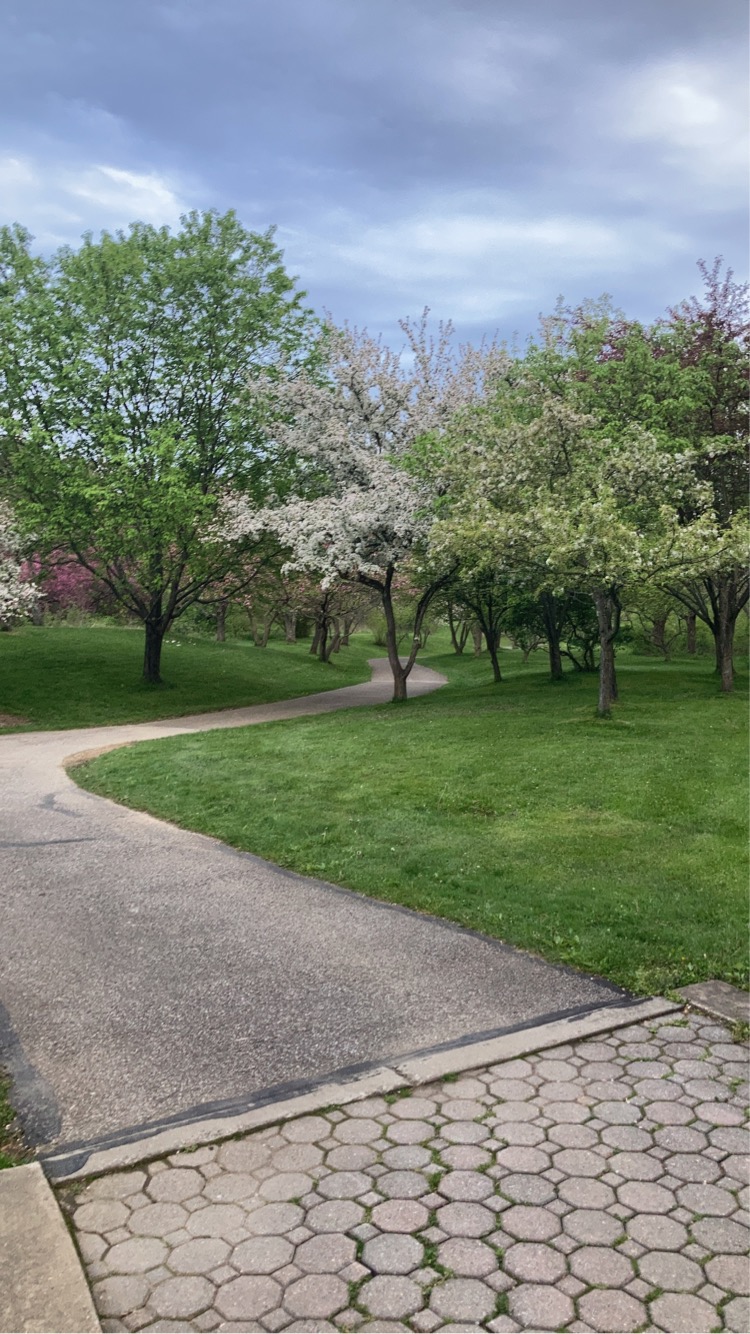
The garden behind the house is its own reward. Designed in the formal eighteenth-century style, it offers a genuinely peaceful retreat from the energy of Georgetown’s commercial streets just blocks away. In spring, it is particularly lovely — boxwood hedges, seasonal blooms, and gravel paths that invite a slow, reflective stroll.
Admission is modest, guided tours are offered regularly and run about forty-five minutes, and the knowledgeable docents make every room feel like a story unfolding rather than a history lesson being delivered. Parking in Georgetown can be a challenge, so consider arriving by rideshare or on foot from the nearby Foggy Bottom Metro station, which is about a fifteen-minute walk.
Washington is full of places that speak to the grand sweep of American history. Dumbarton House speaks to something quieter and equally important — the texture of everyday life, the elegance of a young republic finding its aesthetic footing, and the remarkable fact that a building this beautiful and this historically significant is still standing, still welcoming visitors, and still utterly worth your time.