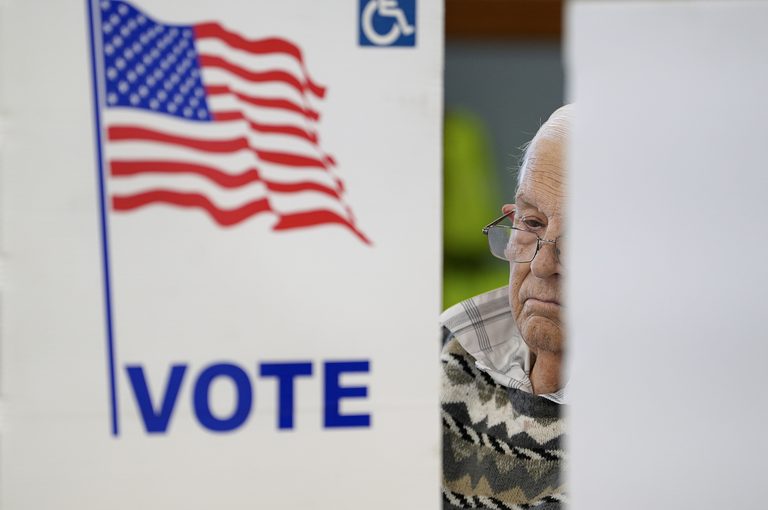
Hoosiers demonstrated strong support for two statewide constitutional amendments on Tuesday’s ballot, reflecting a community desire for safer courts and greater flexibility for local judges.
Bail Reform Gains Broad Backing
Public Question 1, which modifies the Indiana Constitution’s bail provisions, passed with 59% of the vote. The amendment permits judges to deny bail to any defendant when the state can prove the individual poses a substantial risk to the public and that the evidence of guilt is strong. Previously, bail could be denied only in cases of murder or treason, even when a judge believed a defendant might reoffend.
Supporters argue the change is essential for protecting citizens from repeat violent offenders who have been released on bail. The Indiana Criminal Justice Institute reported that 7% of defendants released on bail or their own recognizance last year were rearrested and charged with a new offense while awaiting trial, underscoring the need for stronger pre‑trial safeguards.
Critics warn that the amendment could jeopardize due‑process rights, potentially keeping individuals in jail for months without a conviction. The amendment, however, includes procedural protections: defendants are entitled to an attorney, a hearing, and the right to appeal any bail denial. Lawmakers also rejected proposals to limit the amendment’s reach, indicating broad legislative confidence in its design.
Judicial Residency Flexibility Approved
Public Question 2, a simpler measure, received 63% approval. It allows judges of city and town courts to live in the county where the court is located or in an adjacent county, rather than requiring residence within the specific municipality. This change aims to broaden the pool of qualified judicial candidates, especially in smaller communities that struggle to attract legal professionals.
Both amendments were placed on the ballot after successive General Assemblies approved them in 2023 and 2026, and they were decided with 84% of votes tallied at the time of reporting.
What This Means for Indiana
The bail reform amendment equips Indiana’s judiciary with a tool to better protect public safety while preserving essential legal safeguards for defendants. By allowing judges to consider a broader range of risk factors, the state moves toward a more balanced approach that respects both community safety and individual rights.
The residency amendment promises to strengthen local courts by expanding the talent pool, ensuring that even the smallest towns can benefit from experienced judges. Together, these measures reflect Indiana voters’ commitment to a justice system that is both effective and adaptable.
Local officials and community leaders have praised the outcomes as a victory for public safety and judicial efficiency. As the new provisions take effect, Indiana’s courts will begin implementing the updated procedures, signaling a proactive step toward a safer, more resilient legal system for all Hoosiers.
Original reporting: Mirror Indy — read the source article.