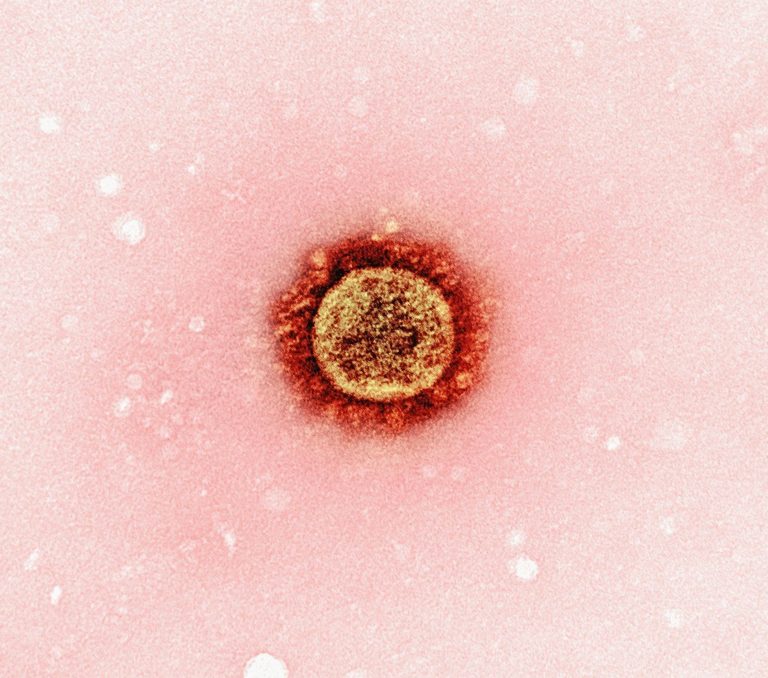
INDIANAPOLIS, Ind. — The Indiana Department of Health announced Thursday that the state has recorded 104 confirmed measles cases this year, surpassing the 100‑case mark for the first time in the 21st century. The surge represents a dramatic increase from just eight cases reported on September 2 and more than ten times the total recorded in all of 2025, when the state logged ten cases.
Why measles is a concern
Measles is one of the most contagious infectious diseases known to medicine. It spreads through respiratory droplets and can infect anyone who is not immune. The illness typically begins with fever, cough, and a runny nose, followed by a distinctive red rash that spreads across the body. While many children recover without serious complications, measles can lead to pneumonia, encephalitis, and even death, especially in infants, young children, and individuals with weakened immune systems.
Health officials stress vaccination
Thomas Duszynski, an epidemiologist at Indiana University Indianapolis, called the situation “serious” and urged Hoosiers to verify their vaccination status. “Vaccination provides protection against a disease that can spread quickly through communities,” he said. The measles, mumps, and rubella (MMR) vaccine is safe, effective, and has been a cornerstone of public‑health efforts for decades.
Hospitals increase screening
Riley Hospital for Children has implemented additional screening procedures for patients and visitors. Staff are checking for fever, rash, and recent exposure to measles before allowing entry to areas where vulnerable patients receive care. The hospital’s goal is to identify potential cases early and limit transmission within its facilities.
What residents can do
Health officials recommend that anyone who is unsure of their immunization history contact their primary care provider or local health department. The Indiana Department of Health offers free MMR vaccinations at many community clinics and health‑department sites. Parents are encouraged to ensure that their children are up to date on the two‑dose MMR series, typically administered at 12‑15 months and again at 4‑6 years of age.
Symptoms of measles usually appear 10‑14 days after exposure. If you develop fever, cough, runny nose, red eyes, or a rash, seek medical attention promptly and inform your healthcare provider of any recent travel or contact with someone who has measles.
Looking ahead
The Indiana Department of Health will continue to monitor the outbreak closely, working with local health districts, schools, and healthcare facilities to contain further spread. Officials emphasize that rapid identification, isolation of cases, and widespread vaccination are the most effective tools to bring the outbreak under control.
For the latest updates on measles cases and vaccination locations, visit the Indiana Department of Health website or call the state health hotline at 1‑800‑555‑1234.
Original reporting: WOWO News/Talk (Fort Wayne) — read the source article.