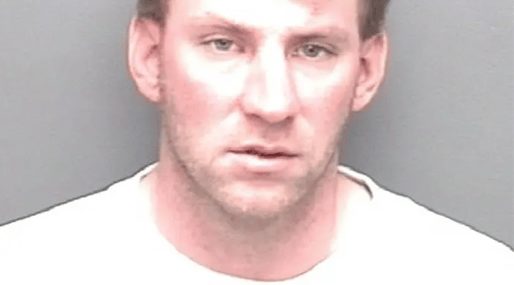
Michigan City, IN — Indiana carried out the execution of Jeffrey Weisheit early Thursday morning, ending a decade‑long legal process stemming from the 2010 murders of two young children in Evansville. Weisheit died at 12:45 a.m. Central time at the Indiana State Prison after the lethal‑injection protocol was administered.
Legal backdrop and Supreme Court decision
Hours before the execution, the Indiana Supreme Court voted 3‑2 to deny Weisheit’s emergency request for a ten‑day stay. Chief Justice Loretta Rush and one other justice argued for a delay to review concerns about the state’s procurement and handling of the lethal‑injection drugs, but the majority rejected the request.
Concerns over drug sourcing and political contributions
Weisheit’s attorneys raised questions about the involvement of Indianapolis pharmacy Pharmaneek, which supplied the drugs used in the execution. The defense highlighted a $5,000 campaign contribution the pharmacy’s owner made to Attorney General Todd Rokita last June, suggesting a potential conflict of interest. Pharmaneek is scheduled for a license‑revocation hearing five days after the execution.
State officials reaffirm the decision
Governor Mike Braun emphasized that both state and federal courts have repeatedly reviewed Weisheit’s case since his 2013 conviction without overturning the sentence. The State Parole Board also voted unanimously against clemency. Attorney General Rokita expressed sympathy for the victims’ family, stating he hoped the execution would bring them some measure of peace.
Details of the 2010 crime
Weisheit was convicted of setting fire to the Evansville home of his former partner, resulting in the deaths of 8‑year‑old Alyssa Lynch and her 5‑year‑old brother, Caleb. Investigators found Caleb bound with duct tape and a washcloth over his mouth, while firefighters discovered Alyssa’s body inside a closet after the blaze.
Final moments and public reaction
According to the Indiana Department of Correction, Weisheit had no final words. His final meal consisted of barbecue ribs from Texas Corral and a Mountain Dew. Local residents expressed a mix of relief that justice was carried out and concern over the broader implications of the death‑penalty system.
Broader context
The execution adds to ongoing national debates about capital punishment, drug procurement for lethal injections, and the influence of political contributions on criminal‑justice decisions. Indiana remains one of the states that continues to enforce the death penalty, despite growing scrutiny from advocacy groups and some lawmakers.
As the state moves forward, officials say they will continue to monitor the Pharmaneek licensing case and address any procedural concerns raised by the defense. The execution underscores the administration’s commitment to upholding court‑ordered sentences while navigating the complex legal and ethical issues surrounding capital punishment.
Original reporting: 93.1 WIBC (Indianapolis) — read the source article.