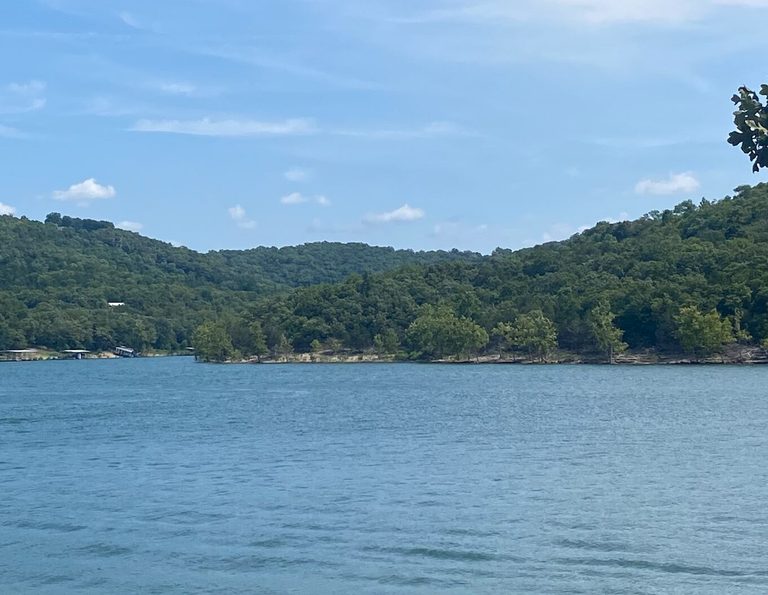
Indian Point, Mo. – The tiny lakeside village that relies on tourism to fund its essential services is heading to the ballot this November. Voters will decide whether to increase the village’s share of the sales tax from 2% to 2.5%, a move the village estimates will bring an additional $100,000 into its operating budget.
Why the tax change matters
With fewer than 600 permanent residents, Indian Point depends heavily on sales‑tax revenue collected from the roughly three million tourists who pass through the community each year. The current sales‑tax rate sits at 10.475%, with the revenue split six ways among the village, Taney County, the state and other entities. Under the proposal, the village’s slice would rise by a half‑percentage point, providing extra funds for the police department, administrative staff, road maintenance and storm‑water management.
Village officials explain the need
“We have our staffing, the police department, we have our administrative staff, we have our roads. We have about 18 miles of roads. We have stormwater,” said Shannon McQuality, Indian Point’s village manager. “This increase helps us keep those services running without putting the entire burden on the permanent residents.”
Community voices
Local resident Daniel Slater echoed the sentiment, noting that visitors already pay a premium when they vacation on Table Rock Lake. “When people are going out on vacation, like when we do, we know we’re going to pay more. I think this is our police department, our village, the roads, maintenance, infrastructure here. I think it’s a great way to do it without putting all the burden on us that live here,” he said.
Business owners expressed mixed feelings. Randy Chance and Sheri Bailey, co‑owners of the Fox Fire Resort, support the idea of more investment in village infrastructure but worry about the impact on their bottom line. “We’ve got to stay competitive, you know, with the market,” Chance said. “It adds up quick, and people, with the price of everything you know nowadays, people are very conscious of the money they’re going to spend.” Bailey added, “Just a little bit worried that guests might not be coming to Indian Point as much just because of the fact that they could get a place cheaper in Branson and not have to pay that extra sales tax to come and stay on Indian Point.”
Next steps
The village will hold a town‑hall meeting on October 26 to discuss the proposal in detail and answer questions from residents and business owners. The meeting will be an opportunity for the community to weigh the benefits of additional funding against concerns about competitiveness with nearby lakeside towns.
After the town‑hall, the measure will appear on the November ballot. If approved, the increased share of sales‑tax revenue will be allocated to the village’s operating budget beginning in the next fiscal year.
What’s at stake
Should the measure pass, the extra $100,000 could help maintain the village’s police presence, keep roads in good repair and ensure storm‑water systems continue to protect the lakeshore. If voters reject the proposal, the village will need to find alternative ways to fund these services, potentially looking to state or county assistance or adjusting existing budgets.
Indian Point’s leaders emphasize that the tax increase is a modest step aimed at preserving the quality of life for both residents and the millions of tourists who enjoy the lake each year.
Original reporting: KY3 Springfield (local) — read the source article.