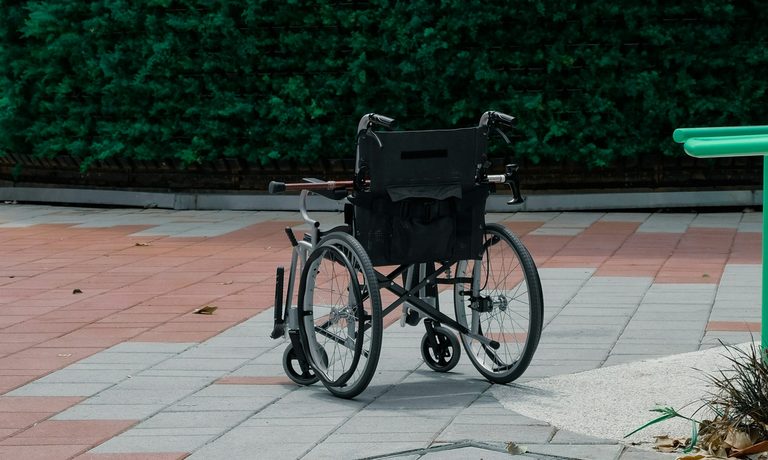
From a power wheelchair, Ryan Talley sees Tampa Bay from about four feet up and notices details most drivers never see. He asks: Do curb cuts line up with crosswalks? Are “accessible” entrances truly step‑free? Does a bus ramp lower on the first try? Talley, who lives with cerebral palsy, uses his perspective to call attention to everyday barriers that keep many residents from moving freely around the region.
Sidewalk gaps block basic travel
In numerous neighborhoods across Hillsborough and Pinellas counties, sidewalks end abruptly in grass, driveways or ditches, only to resume a half‑block later. Cracked or steep curb cuts are often blocked by parked cars, trash cans or abandoned scooters. Each flaw may seem minor, but together they decide whether a wheelchair user can reach a corner store alone or must stay home.
Bus‑stop challenges compound the problem
Most bus drivers do their part—lowering the ramp, securing the chair and treating riders with respect. Yet a successful trip also depends on a paved, level stop pad, a shelter that a wheelchair can roll under, and frequent service so a missed bus doesn’t mean an hour lost in the Florida sun. When any piece fails, the entire journey collapses.
Venue accessibility varies widely
Talley attends rallies, concerts, comedy shows and community meetings, often as press for his “Mr. Wheels” podcast. When venues get it right, the main entrance is accessible, wheelchair seating is not hidden behind pillars, and staff know where the working elevator is. Ruth Eckerd Hall in Clearwater is his top example of a venue that “does it right.”
When venues fall short, the experience is humiliating. Some places route wheelchair users through kitchens, loading docks or back alleys. A restaurant in Brandon once had no accessible bathroom; Talley had to crawl into the restroom because his chair wouldn’t fit through the door. Moments like that send a clear message: the space wasn’t designed for people like him.
A practical five‑point plan
Talley believes most of these issues are easy and inexpensive to fix. He proposes the following steps for city officials, transit agencies and venue managers:
- Walk or roll the route. Each department should travel a typical wheelchair path—from parking lot or bus stop to the seat—at least once a year to spot problems.
- Complete the sidewalk network. Fill gaps near bus stops, schools, clinics and grocery stores. A sidewalk that ends in a ditch is not a sidewalk.
- Upgrade bus stops. Install paved, level pads that connect directly to sidewalks and add shade where waiting times are longest.
- Make the front door the accessible door. New construction or renovations should place the accessible route at the main entrance, not as an afterthought.
- Include disabled residents in planning. Add people with disabilities to planning boards, transit advisory committees and event teams. Their expertise is free and essential.
Why it matters for the whole community
More than one‑in‑four American adults live with a disability, according to the CDC, and that number will grow as the population ages. Building a Tampa Bay that works from four feet up is not a niche favor; it is planning for almost everyone. Accessible streets, reliable transit and inclusive venues benefit families with strollers, seniors, parents with young children and anyone who values a safe, walkable community.
Talley loves the Tampa Bay area and wants to see it become a model of universal design. By addressing simple, low‑cost fixes, city leaders can ensure that all residents—regardless of mobility—can enjoy the region’s parks, businesses and cultural events without unnecessary barriers.
Original reporting: St. Pete Catalyst — read the source article.