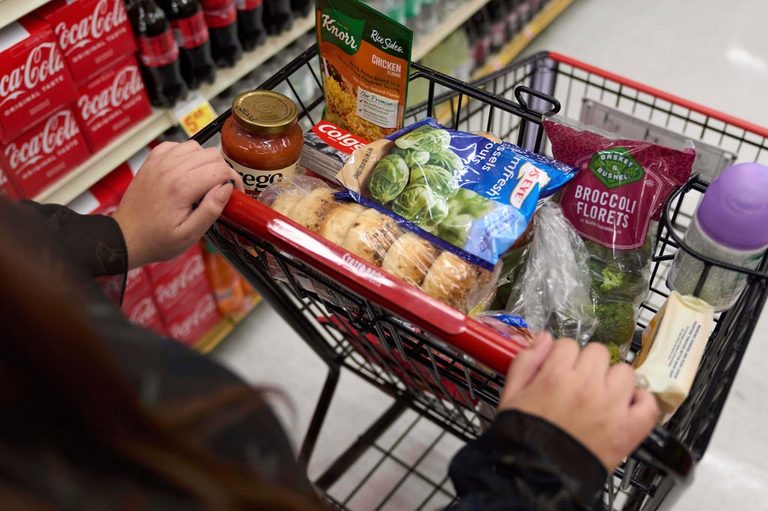
Rockford, Ill. – The Northern Illinois Food Bank reports a sharp rise in demand as Illinois’ new SNAP work requirements take effect. Under the One Big Beautiful Bill Act, which began on February 1, SNAP recipients must now work or volunteer at least 80 hours each month to keep benefits.
Work requirements trigger mass disenrollment
Robert DeSio, senior manager of advocacy for the food bank, said the state has lost about 25% of its SNAP population – roughly 450,000 individuals – since the rule was implemented. “I think families are relying more on us as people have lost SNAP,” DeSio explained.
Lee Bowes, CEO of the America Works organization, warned that the new mandate creates a paradox for those most in need. “If you’re not well fed to go out and interview and try to get work and do all the hoops you have to jump through, it becomes less likely people are about to do it,” Bowes said.
Volunteering not a viable substitute for many
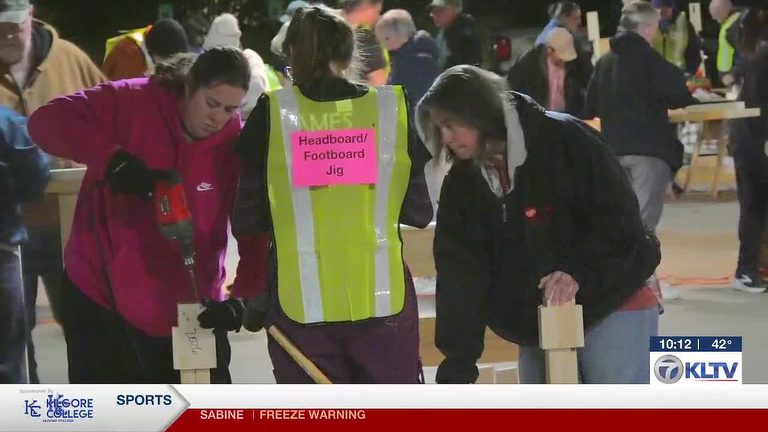
Food‑pantry leaders say some applicants have asked to fulfill the requirement by volunteering at their sites, but the logistics are impractical. “We have had people reach out to volunteer. It’s just a lot. Most volunteer shifts are only a few hours long,” DeSio noted, emphasizing that meeting the 80‑hour threshold through pantry work is unrealistic for most families.
Upcoming Medicaid changes add further strain
DeSio also highlighted that another policy shift is on the horizon. Starting January 1, 2027, Medicaid expansion enrollees in Illinois will face similar work or qualifying‑activity requirements, or must earn at least $580 per month to retain coverage. The new rules will apply in 44 states, including neighboring Wisconsin.
“Just with Medicaid requirements beginning in January and the uncertainty around that, it’s going to be another blow. People will have to make difficult choices between paying a medical bill or a utility bill versus buying food,” DeSio said.
Local impact and community response
The food bank’s increased demand underscores how state‑level policy decisions ripple through local communities. While the administration argues the work requirement encourages self‑sufficiency, critics point to the immediate hardship faced by seniors and low‑income families who lack transportation, childcare, or the physical ability to meet the hour quota.
Bowes described the situation as “not a pretty picture,” noting that many elderly individuals were cut off from benefits without clear explanation. The organization is urging policymakers to consider exemptions or flexible pathways for vulnerable populations.
What’s next for Rockford families?
As the holiday season approaches, local nonprofits are mobilizing volunteers and donations to fill the gap left by reduced SNAP assistance. Community leaders stress the importance of faith‑based and family support networks in helping those affected navigate the new requirements.
For now, the Northern Illinois Food Bank continues to serve as a critical safety net, while advocates push for policy adjustments that balance work incentives with the reality of everyday hardships faced by Rockford families.
Original reporting: WIFR Rockford News First (local) — read the source article.