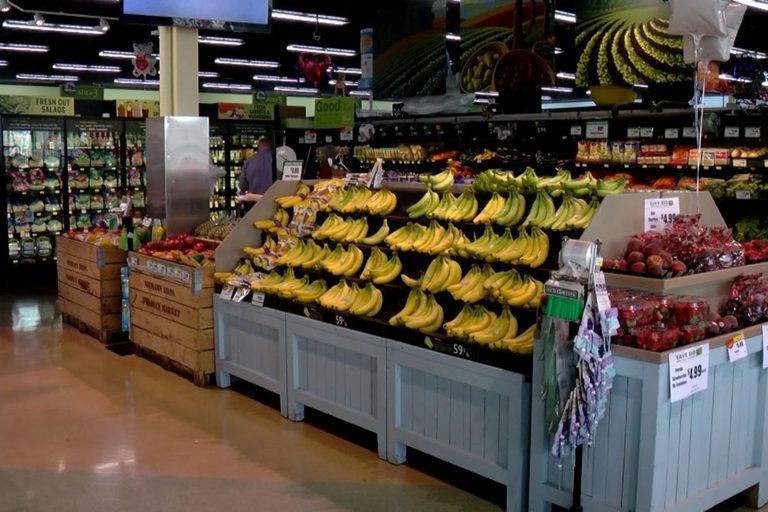
Springfield, Illinois – Lawmakers are moving forward with a bill that could help close grocery and pharmacy deserts across the state. The legislation would create a tax credit designed to encourage independent retailers to open, expand, or keep stores in neighborhoods where residents currently travel long distances for fresh food or prescription medicines.
How the credit would work
To qualify, a business must be independently owned and operate no more than four locations. It would need to commit to a capital investment of at least $500,000. Larger grocery stores employing more than 15 workers would have to invest a minimum of $1 million. All participating retailers must accept SNAP and WIC benefits.
Qualified businesses could receive a credit equal to up to 100% of payroll withholding for newly hired employees and 50% for workers they retain. In addition, they would be automatically enrolled in the Enterprise Zone High‑Impact Business program, which can provide a sales‑tax exemption on qualifying building‑material purchases.
Support from business leaders and state officials
Rob Karr, President and CEO of the Illinois Retail Merchants Association (IRMA), praised the proposal, saying, “While more must be done to support retailers of all shapes and sizes across Illinois, this is an important step forward that will help some of our state’s most vulnerable retail businesses.”
Matt Stonecipher, Chief Economic Policy Advisor for the Department of Commerce & Economic Opportunity, added, “In many communities these businesses are more than a convenient place to shop; they may be the only source of fresh food or essential medication without a long drive.”
Legislative backing
Senator Doris Turner, the bill’s lead sponsor in the Senate, emphasized the community impact: “When we invest in small businesses, we are investing in the people who live here. A streamlined package of tax incentives will help them retain and hire workers while serving the community.” The legislation is slated for consideration during the upcoming veto session.
Critics raise concerns
Democratic Representative Will Guzzardi expressed caution, noting that many existing pharmacies are large national chains with greater resources to weather economic fluctuations. “Our small independent businesses really need our state’s support to grow and thrive,” he said, acknowledging the challenges faced by local retailers.
Potential impact on local economies
If enacted, the credit could stimulate job creation, increase access to nutritious food and essential medicines, and strengthen the tax base in underserved areas. By tying the incentive to SNAP and WIC participation, the bill also seeks to ensure that low‑income families benefit directly from the expanded retail options.
Stakeholders will be watching the bill’s progress closely, as it represents a targeted effort to address the persistent problem of grocery and pharmacy deserts while supporting the backbone of Illinois’ small‑business community.
Original reporting: Capitol City Now (WTAX 1240 Springfield) — read the source article.