SPRINGFIELD, Ill. – The Illinois Department of Public Health (IDPH) is reaffirming its commitment to keep Illinois residents safe after the World Health Organization announced that measles is no longer considered eliminated in the United States and Mexico.
State health officials stress the importance of the MMR vaccine
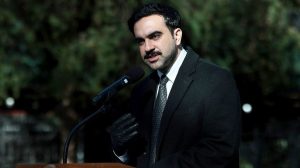
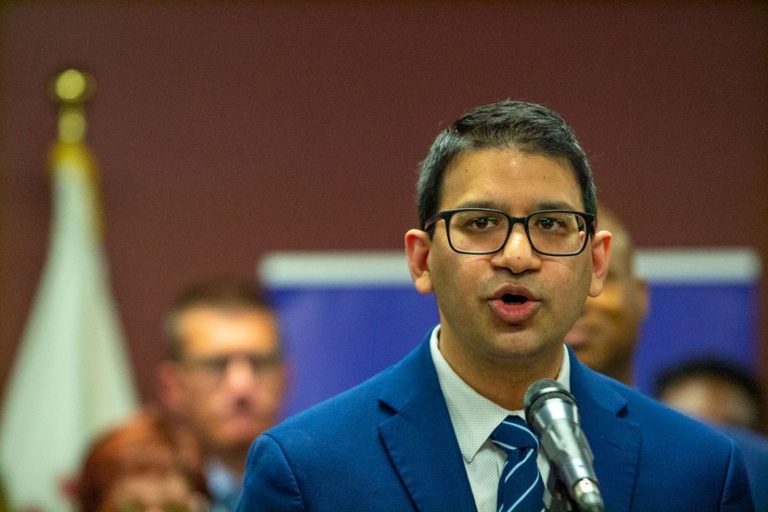
In a statement released Tuesday, IDPH Director Dr. Sameer Vohra emphasized that the proven strategy for preventing measles, mumps, and rubella remains vaccination. “The measles‑mumps‑rubella (MMR) vaccine is safe, effective, and the best way to protect our children and communities,” Dr. Vohra said.
Illinois continues to offer the MMR vaccine at no cost through public health clinics, school‑based programs, and participating pharmacies. The department urges parents to verify that their children are up‑to‑date on the two‑dose series, especially as schools require proof of immunization for enrollment.
Why the WHO changed its status
The WHO’s update reflects a rise in measles cases across several states, driven largely by pockets of unvaccinated individuals. While the overall national case count remains low compared to historic outbreaks, the agency’s criteria for “elimination” require sustained zero endemic transmission for at least 12 months. Recent clusters in states with lower vaccination rates prompted the revision.
Illinois has not experienced a large‑scale outbreak, but health officials note that even a few cases can quickly spread in communities with gaps in immunity. The department’s surveillance system continues to monitor any reported cases and work with local health units to contain them.
What families can do
Parents are encouraged to:
- Check their child’s immunization record through the Illinois Immunization Registry.
- Schedule a vaccination appointment if the MMR series is incomplete.
- Discuss any concerns with a trusted healthcare provider.
For families facing barriers to access, IDPH offers mobile clinics and partnerships with community organizations to bring vaccines to underserved neighborhoods.
Community response
Local faith leaders and community groups have voiced support for the department’s message, noting that protecting children aligns with both public‑health goals and the moral responsibility to care for one another. “Our churches have always taught us to look after the vulnerable,” said Pastor Mark Jensen of Springfield Community Church. “Vaccination is a practical way we can live out that teaching.”
While some individuals continue to question vaccine safety, the department points to extensive scientific research confirming the MMR vaccine’s safety profile. Dr. Vohra added that the benefits of vaccination far outweigh the rare risks, which are monitored closely by the CDC’s Vaccine Adverse Event Reporting System.
Looking ahead
IDPH will maintain its outreach efforts throughout the fall and winter seasons, when measles transmission typically rises. The department plans to collaborate with schools, pediatricians, and local media to disseminate accurate information and counter misinformation.
Illinois residents can stay informed about measles cases and vaccination resources by visiting the IDPH website or calling the state health hotline at 1‑800‑555‑HEAL.
Original reporting: Capitol City Now (WTAX 1240 Springfield) — read the source article.