Springfield, Ill. – Governor JB Pritzker and Deputy Governor Bria Scudder filed an appeal on Thursday challenging the Trump administration’s decision to deny Illinois a major disaster declaration for the August storm system that battered eight counties. The appeal updates the state’s damage estimate to $43 million, up from the original $27.6 million request, and argues that the revised figure exceeds FEMA’s $24.9 million eligibility threshold.
Why the appeal matters
In a statement to Capitol News Illinois, Deputy Governor Scudder said the administration’s lack of a clear standard “looks like politics” and adds, “It doesn’t change our responsibility to the people who have been affected.” The appeal emphasizes new data on damaged hospitals, police and fire stations, washed‑out roads, and a levee in Fulton County that were not included in the original FEMA submission.
Counties seeking aid
The original request covered Champaign, Cook, Ford, Fulton, McLean, Tazewell, Vermilion and Will counties. While the state initially said some counties, including Cook, fell short of FEMA’s threshold, the appeal asserts that six of the eight counties now meet the required criteria. Local officials from Cook, Fulton, McLean, Vermilion, Ford, Will and Champaign, as well as city leaders from Cuba and Normal, submitted statements detailing their needs.
State and local costs
Illinois has already spent $3.4 million on emergency response, with Cook County alone contributing more than $8 million. Eighteen state lawmakers, including 12 Republicans, signed letters supporting the appeal, underscoring bipartisan concern over the federal decision.
Comparisons with neighboring states
Indiana received emergency aid for the same storm system after Governor Mike Braun’s prompt request, while Illinois delayed its request until mid‑September because immediate assistance was not required. Scudder noted that the Trump administration’s response time has been longer than under previous administrations.
Potential policy shift
Politico reported that FEMA is considering a shift that would move more disaster responsibility to the states, raising the cost threshold for federal assistance. FEMA Administrator Cameron Hamilton argued that states could recover more quickly without waiting for federal action, a stance that could leave Illinois residents to shoulder tens of millions of dollars in future storm costs.
Governor’s broader concerns
Beyond this appeal, Governor Pritzker warned that the Trump administration’s approach could make it harder for states to qualify for disaster aid. In a 200‑point plan presented to the new Democratic Congress, he called for FEMA to adopt “more specific and transparent thresholds” and cautioned against using “reform” as a pretext to limit assistance.
Impact on emergency services
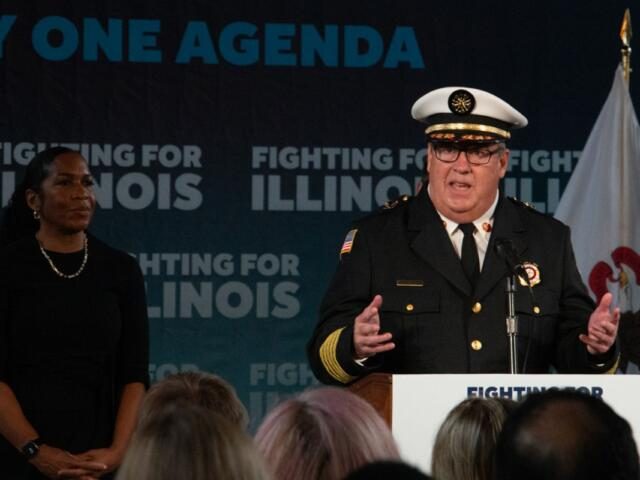
Mutual Aid Box Alarm System (MABAS) CEO Bernie Lyons warned that federal grant cuts are threatening Illinois’ water rescue capabilities. He said the state may lose funding for Illinois Water Rescue 1 in 2027 and could be forced to downgrade Illinois Task Force 1 from a Type 1 to a Type 3 team, reducing personnel, training, equipment and overall response capacity.
Next steps
It remains unclear when FEMA will rule on the appeal. Scudder emphasized the need for “clarity, consistency and predictability” in disaster assistance standards, urging the federal agency to apply criteria fairly across all states.
Original reporting: Capitol City Now (WTAX 1240 Springfield) — read the source article.