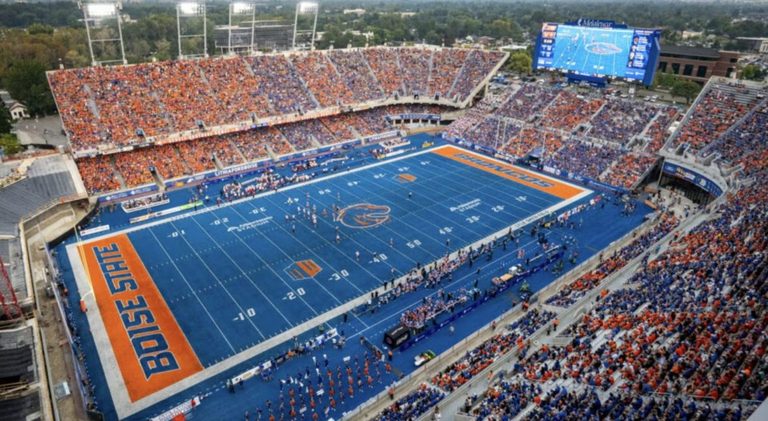
Governor Brad Little and a bipartisan working group of Idaho leaders released an eight‑page report Wednesday that lays out a playbook of revenue options for the state’s college athletics programs. The report, chaired by Idaho Falls businessman Cortney Liddiard, stresses that competing on the national stage will require a combination of measures rather than a single solution.
Key revenue ideas
The working group identified several existing streams that could be tapped or expanded, including:
- State lottery proceeds – although this year’s record $90 million payout was already earmarked for public schools and building projects.
- The Idaho Stabilization Fund – a dedicated pool for higher‑education institutions that currently holds about $25.6 million.
- Potential new sources such as sponsorship deals, naming rights, and modest ticket‑price adjustments.
While the report does not attach specific dollar amounts to any of these options, it emphasizes that the available money could vary widely and that flexibility will be essential.
Local actions and concerns
In a related development, the State Board of Education approved a temporary bridge for Boise State University, allowing the school to cover an athletics shortfall of up to $18 million. Most of the funding will support “revenue‑sharing” payments to Boise State athletes. Liddiard called the bridge “prudent” but warned that it should not become a recurring practice, noting that without broader reforms the board may be forced to cut the deficit, which could severely limit Boise State’s competitive ability.
Boise State President David Hahn praised the working group’s effort, saying the university is reviewing the report and looks forward to collaborating with the governor, the Legislature, the State Board, and other institutions to find a sustainable path forward.
Federal and legal backdrop
The report also points to a “battery of court cases” that could reshape the college sports landscape, as well as pending federal legislation that has cleared the Senate but remains stalled in the House. These factors underscore the need for Idaho’s approach to remain adaptable.
Governor’s response
Governor Little called the report a “strong starting point,” noting that college athletics bring Idaho communities together, raise the state’s profile nationwide, and help attract the students and talent the state’s economy needs.
What’s next?
The working group’s recommendations will be reviewed by the governor’s office and the Legislature in the coming weeks. Stakeholders—including university administrators, athletic directors, and community leaders—are expected to weigh in on which revenue options are most feasible and how they can be implemented without compromising the educational mission of Idaho’s colleges.
As Idaho navigates the evolving national conversation about college athletics, the state’s leaders are positioning themselves to protect and strengthen local programs while remaining responsive to legal and legislative developments.
Original reporting: Idaho Education News — read the source article.