Idaho’s state‑funded online learning program, the Idaho Digital Learning Alliance (IDLA), reported a sharp decline in dual‑credit college‑course enrollment this year. Summer and fall 2026 enrollments were 2,980, down 46% from the 5,540 students recorded during the same period in 2025.
Fee changes and budget cuts drive the drop
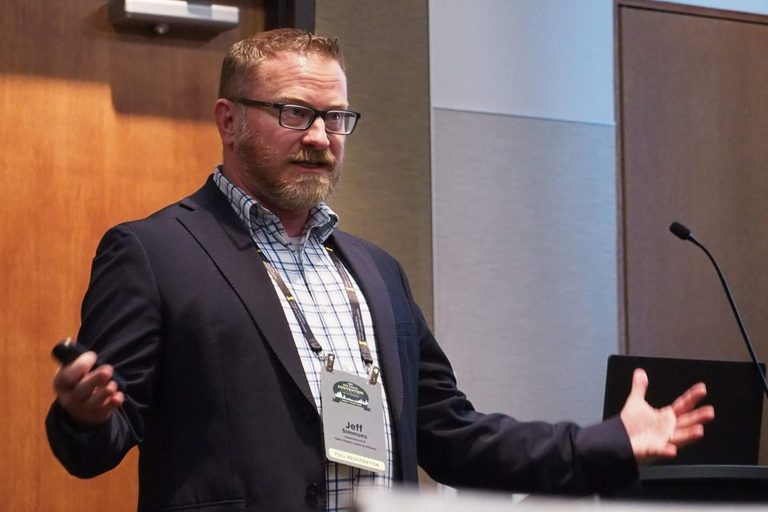
IDLA Superintendent Jeff Simmons explained at the Idaho School Boards Association’s annual convention in Boise that the decline is largely tied to new course fees imposed after legislators slashed roughly half of the program’s budget during the 2026 session. Previously, dual‑credit classes were fee‑free; now the program charges $40 for graduation‑requirement courses and $100 for elective courses.
“We used to waive the course fee for a dual credit class, so we didn’t charge a fee,” Simmons told trustees and school administrators. The fee shift, combined with the budget reduction, forced IDLA to dip into its savings to serve more students than its funding permits—a practice Simmons warned is unsustainable.
Impact on rural schools and families
Rural districts feel the strain most acutely. In a survey of rural schools, 70% of responding districts cited the new fee as the primary reason students are no longer taking dual‑credit courses. Many families rely on IDLA to provide affordable college‑credit opportunities, especially in areas where local high schools lack the resources to offer a broad curriculum.
Board chair Brett Arnzen of the Highland School District in Craigmont said his district will need to adjust its budget if IDLA “continues on the path it does.” The district already incorporates IDLA fees into its supplemental levy, but recent levy votes have been narrow—passing by just three votes last year and 150 votes this year—making additional funding requests politically challenging.
Overall enrollment pressures
Beyond dual‑credit courses, IDLA’s total enrollment remains above its funded capacity. Over the summer, the program served 8,608 students, 2,200 more than its budget allows. For the fall semester, enrollment stands at 12,056, exceeding the funded limit by 806 students. The state allocated funds to serve 32,000 students this year, yet the program enrolled 56,000 students last year before the $13.4 million cut to its $26 million budget.
State leaders seek a budget fix
Simmons said IDLA is working with State Superintendent Debbie Critchfield and Governor Brad Little to “right‑size” the budget for the next fiscal year. He also noted that upcoming legislative sessions may bring additional proposals affecting technology use in classrooms, referencing recent remarks by neuroscientist Jared Cooney Horvath, who advocated for reduced classroom technology.
“We know there’s likely legislation coming,” Simmons said. “So, making sure that we’re being intentional about our technology use is an important thing for us.” While Simmons acknowledges the need for thoughtful tech integration, he rejected the notion of eliminating technology altogether, emphasizing that teachers remain the most vital component of a student’s education.
Looking ahead
To better understand where students are turning for college‑credit courses, IDLA plans to conduct collaborative data collection and present its findings to the State Board and the Legislature. The goal is to develop a sustainable funding model that preserves affordable dual‑credit options for Idaho’s students, especially those in rural communities that depend on virtual learning to broaden their academic horizons.
Original reporting: Idaho Education News — read the source article.