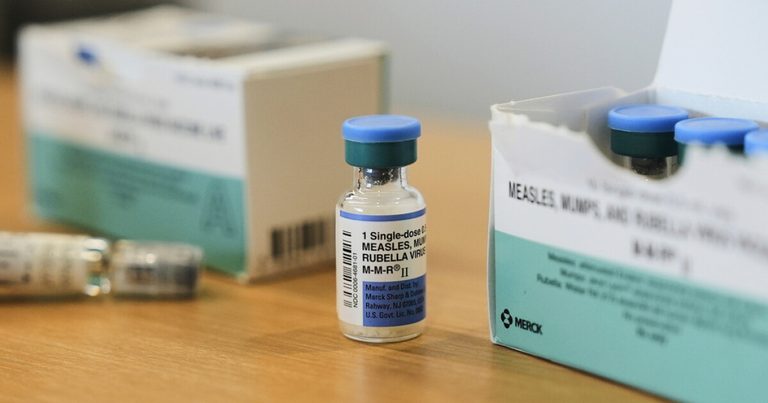
The United States no longer holds the World Health Organization’s measles‑elimination designation, a setback that the Idaho Immunization Coalition says demands immediate action from Idaho families. Executive Director Karen Sharpnack warned that the resurgence puts infants too young for vaccination, people with compromised immune systems, and others who cannot receive the vaccine at heightened risk.
Why the loss matters for Idaho
Measles, a highly contagious viral disease, can spread rapidly when community immunity wanes. The coalition attributes the loss of elimination status to declining vaccination rates and gaps in herd protection across the country. While the issue is national, Idaho’s own public‑health officials have noted pockets of lower MMR coverage in certain counties, making local vigilance essential.
Protection offered by the MMR vaccine
According to the coalition, two doses of the measles, mumps and rubella (MMR) vaccine provide about 97% protection against measles infection. The vaccine is safe, widely available, and is the most effective tool for preventing outbreaks. Sharpnack emphasized that vaccination not only shields the individual but also safeguards those who cannot be vaccinated, such as newborns and immunocompromised patients.
Steps Idahoans can take
The Idaho Immunization Coalition urges residents to take three concrete steps:
- Check vaccination records: Review personal and family immunization histories to confirm that two doses of MMR have been received.
- Follow the recommended schedule: The CDC advises the first MMR dose at 12‑15 months of age and a second dose at 4‑6 years, or later if missed.
- Consult health‑care professionals: Speak with doctors or pharmacists about any concerns, especially for children who have not yet completed the series.
By ensuring full coverage, Idaho families help maintain community protection and reduce the likelihood of future outbreaks.
Broader public‑health context
Nationally, the loss of measles‑free status follows a series of outbreaks in recent years, often linked to under‑immunized communities. Health experts stress that the disease is preventable and that maintaining high vaccination rates is a shared responsibility. The coalition’s message aligns with federal public‑health guidance, which continues to recommend routine MMR immunization for all eligible children and adults who lack documented immunity.
Community response
Local schools, pediatric offices, and faith‑based organizations have begun outreach efforts to educate parents about the importance of the MMR vaccine. Several Idaho counties are coordinating with the state health department to host free vaccination clinics, making it easier for families to stay current.
Sharpnack concluded, “Measles is back, and we cannot afford to treat it as normal.” The Idaho Immunization Coalition’s call to action reflects a broader commitment to protect Idaho’s children, seniors, and vulnerable residents through proven, science‑based immunization practices.
Original reporting: KIVI Idaho News 6 Boise metro (local) — read the source article.