Starting in January, a major closure of Interstate 70 will force drivers onto surface streets in Kansas City’s Historic Northeast. The change has prompted a mix of optimism and anxiety among local merchants and neighborhood leaders who fear the surge in traffic could strain streets not built for interstate‑level volumes.
Bakery owner sees both risk and opportunity
Joyce Watts, who runs the popular Boujee Baker, says business has been steady and she hopes the detour routes will introduce new faces to her shop. “We’ve become very, very busy. So, traffic is normally like in and out,” Watts explained. She added that customers traveling from nearby suburbs such as Independence and Raymore have already stopped by, and she hopes they will continue to do so despite the added congestion.
“I’m hoping they can still get here and they just don’t pass us by,” Watts said. “A lot of people do come from a little further out like Independence or Raymore. I had someone in from Raymore today. So, I’m hoping they don’t just decide not to come because it’s too busy.”
Chamber leaders warn of street overload
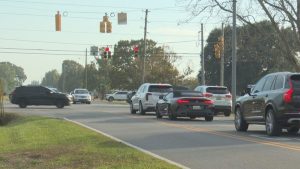
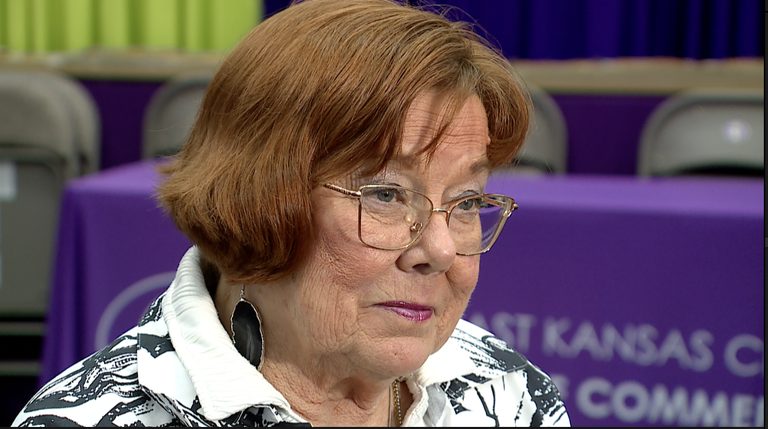
Bobbi Baker‑Hughes, president and CEO of the Historic Northeast Chamber of Commerce, cautions that drivers will likely divert onto neighborhood corridors, creating congestion in areas not designed for that volume. “Like water, they’ll find a way to get around. That’s a big concern,” she said.
Baker‑Hughes noted that Independence Avenue typically sees between 10,000 and 15,000 vehicles a day. She expects that number could rise sharply as motorists avoid the closed interstate. She also singled out Truman Road, Ninth Street, 12th Street and St. John’s Avenue as streets that could see a noticeable uptick in traffic.
“The excessive amount of traffic that we’re going to be getting, what are we planning for repairs, for maintenance? What happens when there is a water break? How do we pay for curbs and bigger and more potholes?” she asked.
Infrastructure worries grow
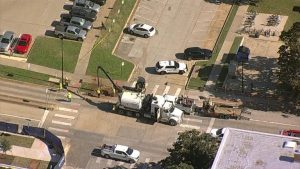
Mike Spady, director of operations for the Independence Avenue Community Improvement District, echoed those concerns, emphasizing that many underground utilities in the area are roughly a century old. “The streets are not designed to support an increase of 100,000‑pound semi‑trucks rolling on the roads. They’re not built like freeways are built,” Spady said. “There’s going to be significant damage to the streets before, during and after.”
Spady also warned that winter weather could exacerbate wear on the aging pavement, potentially leading to costly repairs for the city and residents.
City officials urged to coordinate response
Business owners and community leaders are calling for clear communication from city officials about traffic‑management plans and infrastructure protection. They want assurances that detour routes will be clearly marked, that street‑maintenance crews will be ready for increased wear, and that any necessary repairs will be funded without burdening local taxpayers.
“We need more coordination and transparency,” Watts said. “If the city can help us manage the flow and keep the streets safe, we can turn this challenge into an opportunity for the whole neighborhood.”
What’s next?
The Missouri Department of Transportation (MoDOT) has not released a detailed detour map, but it is expected to be posted on its website in the coming weeks. Residents are encouraged to monitor MoDOT announcements and to consider alternative routes during peak travel times.
As the January closure approaches, the Historic Northeast community remains hopeful that proactive planning will protect its streets, preserve local businesses, and keep the neighborhood’s historic charm intact.
Original reporting: KSHB 41 Kansas City (local) — read the source article.