HUNTSVILLE, Ala. – Owners of independent breweries in Huntsville are warning that the cost of the aluminum cans used for most of their beer has climbed sharply after recent tariff increases on steel and aluminum. The tariffs, which rose from 25% to 50% over the past year, are pushing up domestic metal prices and squeezing small producers.
Can costs double, inventory risks grow
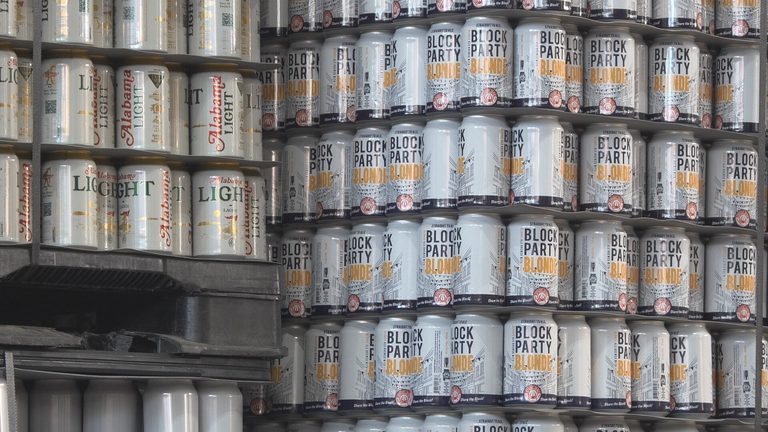
Bruce Weddendorf, owner of Straight to Ale, explained that more than half of the brewery’s output leaves the taproom in aluminum cans, with the remainder shipped in reusable steel kegs. “Aluminum can prices doubled during COVID and never came back down,” Weddendorf said. “For smaller breweries, that’s actually a difficult thing to do because we have to plan further ahead. We also have a greater risk because we have more inventory, which is never good. You have to carry that cost.”
Weddendorf added that the higher material costs have forced his brewery to switch suppliers and purchase larger quantities in bulk, a strategy that carries its own risks. “We have to predict sales months in advance, find room to store it all and pay upfront, which is tough for a small business like ours,” he said.
Industry experts warn of limited relief
Glenn Richey, a supply‑chain management professor at Auburn University, noted that independent brewers must cover packaging, labor and distribution before they can turn a profit, leaving them with a thin safety net. “Larger manufacturers often have more purchasing power and greater access to hedging and financing. A smaller business has fewer ways to defend against price change,” Richey said.
Richey also pointed out that buying American‑made cans does not necessarily shield local brewers from higher costs, because the tariffs raise domestic aluminum prices across the board. He expects prices to stay elevated until U.S. aluminum production increases, and he predicts that contracts renewed in 2027 will likely reflect today’s higher cost structure.
Brewers call for local support
Weddendorf appealed to consumers, saying that choosing locally produced beer could help offset the added expenses. “If people would just make the choices to drink local beer, that would be the best thing people could do to help support us,” he said.
While the brewery has not raised its prices dramatically, the pressure to remain competitive is mounting. “The whole brewing industry right now is struggling a little bit, and we’re no different here,” Weddendorf said.
What the tariffs mean for consumers
Although the cans are manufactured in Texas, the tariff policy applies nationwide, meaning that the higher costs are felt by consumers across the country. Industry analysts suggest that unless tariff rates are adjusted or domestic aluminum output expands, the price of packaged beer is likely to remain higher for the foreseeable future.
For Huntsville residents who enjoy a cold brew from a local taproom, the message is clear: the price you pay may reflect not just the beer itself, but the broader economic policies affecting the raw materials that hold it.
Original reporting: WAFF 48 Huntsville (news) — read the source article.