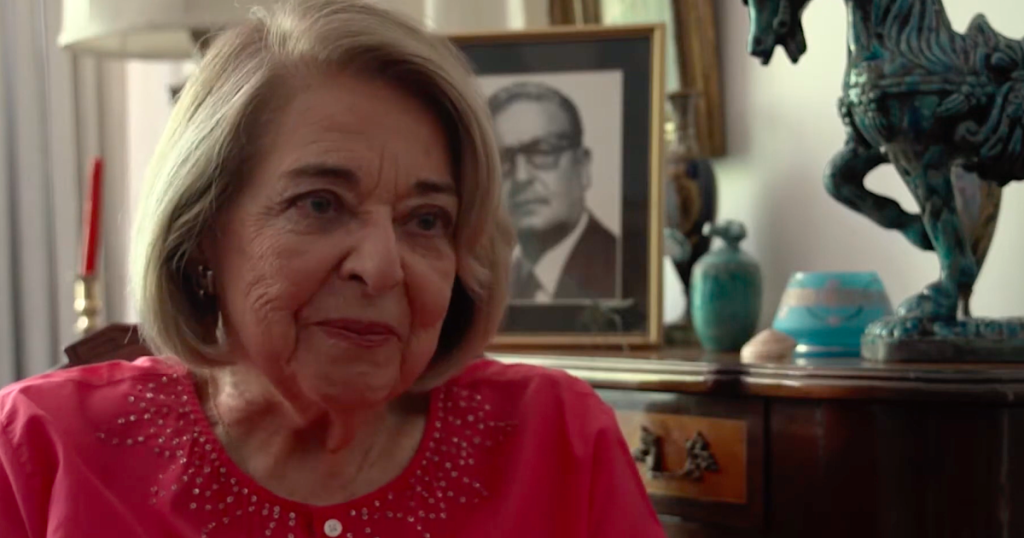
Isabel Letelier, a lifelong champion of human rights in Chile, died on Oct. 30 at her home in Santiago at the age of 94. Her son Francisco confirmed the loss.
From ambassador’s wife to human‑rights leader
Letelier’s public life began when her husband, Orlando Letelier, served as ambassador to the United States and later as foreign, interior and defense minister in President Salvador Allende’s socialist government. After General Augusto Pinochet’s violent 1973 coup, Orlando was arrested, tortured and placed under house arrest. While under house arrest, Isabel helped found the Chile Committee for Human Rights, joining other families of the disappeared to demand answers.
Confronting Pinochet
When Letelier and two other wives met with Pinochet to plead for their husbands’ release, the dictator shouted that the men were well‑fed and even made a threatening throat‑gesture. International pressure eventually secured Orlando’s release in September 1974, after which he and his family moved to Washington, D.C., where he became a senior fellow at the Institute for Policy Studies and a vocal critic of the Pinochet regime.
Tragic loss and continued advocacy
On Sept. 21, 1976, a remote‑controlled bomb exploded on Orlando Letelier’s car in Washington, killing him and colleague Ronni Moffitt. Isabel arrived at George Washington University Hospital and demanded to see her husband’s body despite police objections. She later joined the Institute as a fellow, established the annual Letelier‑Moffitt Human Rights Awards, and traveled the United States speaking about torture, exile and state‑sponsored violence.
Legacy of education and art
Letelier also taught Spanish to State Department officials and FBI agents, gave private guitar lessons, and sang at a Maryland church. Through the Institute’s Third World Women’s Project, she brought Chilean “arpilleras” – hand‑sewn tapestries that depict the suffering under Pinochet – to U.S. audiences, helping preserve the stories of women who endured imprisonment and torture.
Later years and family
After democracy returned to Chile, Letelier moved back in 1990 and continued her human‑rights work. She is survived by her sons Francisco, Juan Pablo and others. Her life stands as a testament to the power of faith, family and perseverance in the face of authoritarian oppression.
Original reporting: Texarkana Gazette — read the source article.