Lubbock residents know that the transition into cooler months can leave lawns looking lackluster. Before assuming your grass has died, use a few simple checks to determine whether it’s merely dormant or beyond repair.
Spotting the Signs of Dormancy
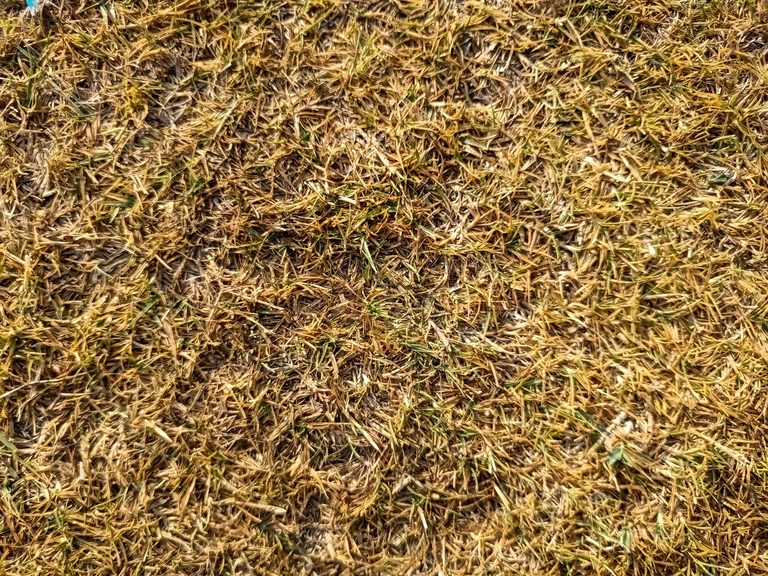
First, look at the overall color. If the entire lawn has turned a uniform tan, especially if you have Bermuda grass, it’s likely just entering dormancy. This seasonal brown‑out is normal and the grass will green up again when temperatures rise and moisture returns.
Isolated brown patches, however, suggest a different issue. Spotty discoloration can result from uneven watering, fungal disease, pest activity, or compacted soil that feels as hard as a rock.
The Tug Test: Checking Root Strength
Gently pull a handful of grass blades near the base. Healthy, dormant grass will snap cleanly, indicating strong roots. If the blades come out easily with little or no root attached, the grass is likely dead. A mushy or rotted feel at the base also points to root damage.
What to Do If Your Lawn Is Dormant
When dormancy is the cause, reduce irrigation frequency but still provide a deep soak about once a month, especially for newly planted turf or winter‑hardy trees that need occasional moisture during dry spells. Avoid applying nitrogen fertilizer while the grass isn’t actively growing; excess nitrogen can stress the plants and waste money.
Addressing Dead Areas
If more than half of your lawn shows no root response, it’s time to consider a renovation. Identify the underlying problem—whether it’s soil compaction, disease, or pest pressure—before reseeding or laying sod. Ignoring the cause often leads to the same issues reappearing.
Options for renovation include:
- Aeration and overseeding: Improves soil structure and introduces new grass seed.
- Sod installation: Provides an instant, uniform lawn but can be costly.
Alternative Groundcovers for Lubbock
If you prefer a low‑maintenance landscape, consider native alternatives. Buffalo grass and microclover are hardy, drought‑tolerant choices that require less water and fertilizer. Xeriscaping with rocks, native perennials, or even artificial turf are also viable, though artificial surfaces can become extremely hot in Lubbock’s summer sun. Homeowners should ask installers about cooling solutions to prevent heat buildup that could affect children and pets.
When to Call a Professional
Seek expert help if you cannot determine the cause of widespread brown patches, if DIY treatments have failed, or if you’re planning a full lawn renovation. Professionals can assess soil health, recommend appropriate grass varieties, and perform services such as aeration, grading, and irrigation system adjustments.
Remember, a well‑maintained lawn not only enhances curb appeal but also supports local wildlife and reduces soil erosion. By correctly identifying dormancy versus death, Lubbock homeowners can make informed decisions that protect both their property and the environment.
Original reporting: News/Talk 790 KFYO (Lubbock) — read the source article.