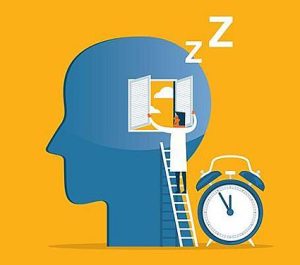
Understanding how the brain clears waste is becoming a key part of staying mentally sharp as we age. The so‑called glymphatic system acts like a plumbing network, flushing out proteins, chemicals and other debris that can build up over time. When this system slows, the risk of neurodegenerative conditions such as Alzheimer’s disease, dementia and Parkinson’s disease rises.
Why the Glymphatic System Matters
Scientists have discovered that the glymphatic system removes harmful substances—including amyloid plaques and tau proteins—by moving cerebrospinal fluid through brain tissue. In animal studies, the system’s efficiency dropped by about 80% in older mice compared with younger ones, suggesting a natural decline with age.
Sleep: The Brain’s Night‑time Cleaner
Quality sleep is the most powerful boost for glymphatic flow. During REM sleep, the brain’s “toilet” is flushed most effectively. As Dr. Lauren Hablitz, an assistant professor of neurology at the University of Rochester Medical Center, explained to the Washington Post, “Non‑REM would fill the toilet up and REM sleep would flush it.” Prioritizing uninterrupted REM cycles—by keeping a dark, cool bedroom and limiting screens—helps the brain eliminate waste and consolidate memories.
Exercise Keeps the Flow Moving
Consistent, moderate‑intensity exercise also supports glymphatic circulation. A study published in Nature Communications found that regular aerobic activity improves fluid movement, offering protection against the buildup of damaging waste. Walking, cycling, or light jogging for at least 30 minutes most days can make a measurable difference.
Deep Breathing Helps Move Cerebrospinal Fluid
Research in Scientific Reports shows that deep abdominal breathing promotes cerebrospinal fluid movement, further aiding waste clearance. Simple breathing exercises—such as inhaling slowly through the nose, expanding the diaphragm, and exhaling fully—can be practiced anywhere, anytime.
Gut Health and Brain Aging
While the brain’s plumbing is crucial, a balanced gut microbiome also plays a role in overall brain health. Healthy gut bacteria help regulate inflammation, support immune function, and even influence how quickly the brain ages. A study in eBioMedicine identified specific gut microbes and metabolic by‑products that can predict brain‑aging rates years before cognitive symptoms appear.
Disruptions to the gut—caused by antibiotics, poor diet, excess alcohol, or lack of sleep—can diminish these protective effects. Maintaining a plant‑rich diet, staying active, and getting adequate rest keep both gut and brain in optimal condition.
Practical Steps for a Cleaner Brain
- Prioritize 7‑9 hours of sleep and aim for regular REM cycles.
- Engage in moderate aerobic exercise most days of the week.
- Practice deep abdominal breathing for a few minutes each day.
- Eat a diet rich in vegetables, fruits, whole grains, and fermented foods to support gut health.
- Limit alcohol and avoid unnecessary antibiotics to prevent microbial imbalance.
By adopting these habits, you can help your brain’s natural cleaning system stay efficient, reducing the risk of cognitive decline and supporting long‑term mental vitality.
Original reporting: Texarkana Gazette — read the source article.