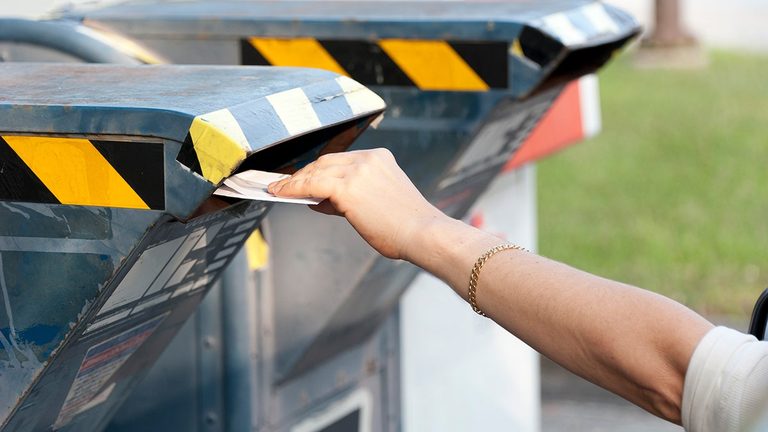
Recent reports from the U.S. Postal Service and the Treasury’s Financial Crimes Enforcement Network show a sharp increase in check‑washing scams. Criminals pull mailed checks from the mailbox, erase the ink, and re‑issue the checks to themselves or others. The result: ordinary families see payments for housing fees, insurance, and other bills disappear, often without immediate notice.
Why the scam works
Check washing relies on a chemical process that removes ink from a paper check. Once the original ink is gone, the fraudster can fill in a new payee name and amount, then cash the counterfeit check. In many cases, the victim only discovers the fraud after a declined credit‑card payment or a missing bill.
Practical steps to protect your checks
1. Use a gel or “special” pen. The ink in gel pens is harder for criminals to lift chemically. Pressing firmly when you write also makes erasing more difficult. While not foolproof—some scammers now scan signatures and reproduce them digitally—this simple measure adds a layer of deterrence.
2. Pay in person when possible. Delivering payments directly to the creditor’s office, a local branch, or the city’s tax office eliminates the mail‑box risk entirely. Though it may be less convenient, the added security is worth the effort for large or recurring bills.
3. Avoid public mailboxes. If you must mail a check, drop it inside the post office rather than a curbside box. Postal inspectors have confirmed that many scams begin with thieves retrieving checks from unattended boxes.
4. Guard your mailbox at home. Retrieve mail promptly each day so thieves cannot collect unattended envelopes. When traveling, place a free hold on your mail through the USPS to prevent accumulation.
5. Monitor payments regularly. Designate a weekly “bill day” to verify that each payment has cleared. If a payment is delayed or a bill shows as unpaid, contact your bank or the creditor immediately. Early detection can limit loss and speed up recovery.
What to do if you’re victimized
If you discover a washed check, report it to your bank right away. Most banks will investigate and, in many cases, will not hold you liable for the stolen funds, especially when you can demonstrate that the fraud was beyond your control. File a complaint with the U.S. Postal Inspection Service and keep any documentation of the original check and correspondence.
Stay vigilant
Scammers are constantly adapting their tactics, from chemical ink removal to high‑resolution scanning of signatures. By combining simple preventive measures—using a gel pen, paying in person, avoiding public boxes, and monitoring your accounts—you can protect your hard‑earned money and keep your family’s finances secure.
Original reporting: Fox News (HLL/CB) — read the source article.