PHOENIX — A recent report from the Stalking Prevention Awareness and Resource Center shows that almost one‑third of women in the United States have experienced stalking at some point. While the problem is national, Arizona residents can take concrete steps to protect their privacy and safety.
Warning signs to watch for
Former prosecutor Nana Knight, who has handled numerous stalking cases, says the first clue is often a stranger’s knowledge of private details that should be unknown. Unfamiliar account activity, unexpected changes to a device’s settings, and alerts about unknown trackers are additional red flags.
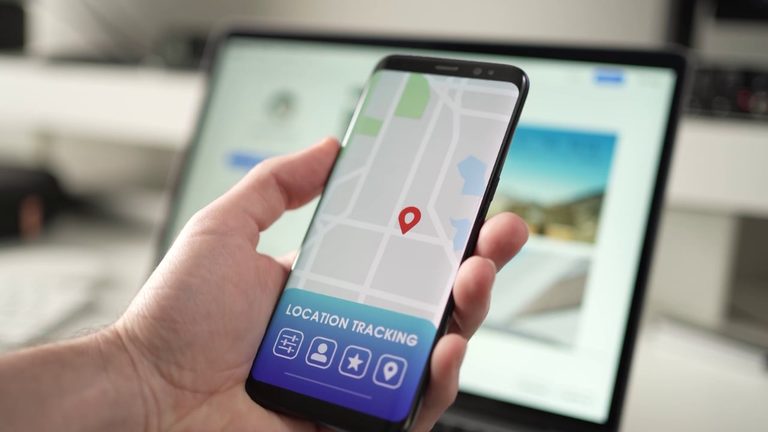
Retired FBI supervisory special agent Jason Pack, CEO of Media Rep Global Strategies, adds that unusual battery drain, spikes in data usage, or location‑sharing permissions you never enabled can also indicate monitoring.
Tools and their limits
Pack notes that no app can guarantee complete safety. “There is no magic app that can tell you you’re completely safe,” he wrote in a text message. Tracker‑detection apps are useful tools, but they cannot rule out every method of surveillance.
Apple’s Tracker Detect and Google’s Unknown‑tracker alerts can notify users when a Bluetooth device such as an AirTag is moving with them. Both require up‑to‑date software and specific settings. Android users can run a manual scan via Settings → Safety & emergency → Unknown tracker alerts → Scan now.
These alerts do not prove stalking; a borrowed item may contain a tracker, and many GPS trackers use cellular networks that Bluetooth scans cannot detect.
Practical safety steps
If you suspect monitoring, consider using a trusted device to contact a victim advocate or law enforcement. Keep a detailed record of incidents—dates, times, locations, and any technology involved.
When safe, save screenshots or photos of alerts and any identifying information. Some apps can notify a designated contact when a screenshot is taken, providing an extra layer of documentation.
Before changing settings, removing an app, or disabling a tracker, think about safety. The National Network to End Domestic Violence’s Safety Net Project warns that abrupt changes can alert a stalker, potentially escalating the situation or compromising evidence.
Strengthening overall digital security
Pack recommends strong, unique passwords and a reputable password manager such as Bitwarden, along with multifactor authentication or passkeys where available. Regular software updates, reviewing signed‑in devices, and checking app permissions are essential habits.
Family‑location apps, social‑media platforms, connected‑car services, smart locks, cloud accounts, and older devices still logged into an account can all share location data. Reviewing these settings can help limit exposure.
Legal context in Arizona
Arizona’s stalking statute defines unauthorized electronic, digital, or GPS surveillance as part of a stalking course of conduct when it occurs continuously for 12 hours or more, or on two or more occasions. The conduct must be intentional or knowing and cause significant emotional distress or a reasonable fear. Violations can be charged as a Class 5 or Class 3 felony, depending on the circumstances.
Because the legal threshold alone does not establish a stalking offense, victims should still seek professional assistance from advocates, qualified technology‑safety specialists, or law enforcement.
When to involve authorities
If you find an unfamiliar tracker and feel unsafe, both Apple and Google advise moving to a public place and contacting law enforcement or a trusted person. Save any alert information before disabling the device, as it may be useful evidence.
For those who suspect ongoing monitoring, Pack cautions against relying on artificial‑intelligence tools to interpret privacy settings or generate security checklists without verification. AI‑generated advice can be outdated or incorrect and should never replace a professional digital forensic examiner.
Resources such as the Stalking Prevention Awareness Resource Center’s free incident‑documentation log (available in multiple languages) and the Coalition Against Stalkerware’s educational materials can further assist victims in protecting themselves and preserving evidence.
Original reporting: azfamily KTVK/KPHO Phoenix (news) — read the source article.