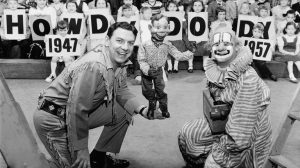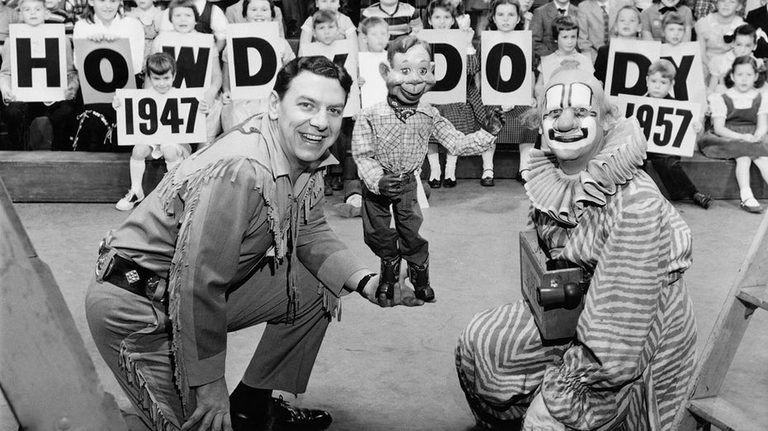
Before the coffee‑and‑donut empire of Dunkin’ became a household name, its founder William Rosenberg tried his hand at a different kind of fast‑food venture. In 1961 he opened Howdy Beef N’ Burger in New England, a retro burger chain that borrowed its name and mascot from the beloved television cowboy marionette Howdy Doody.
Family‑Focused Menu and Promotions
At its height the chain operated roughly 30 locations, some sharing space with Dunkin’ Donuts outlets. The menu featured the signature Big “B” burger, roast‑beef sandwiches, fried chicken, shakes, and New England seafood staples such as clam strips, chowder, and lobster rolls. Promotions leaned heavily into a family‑friendly image. A 1960s Boston Globe advertisement promised diners could “feed the family on just pocket change,” while children could collect buttons and other giveaways.
Competition and Corporate Shift
Despite its nostalgic appeal, Howdy Beef N’ Burger faced stiff competition from the expanding McDonald’s franchise. In 1963 Rosenberg’s son, Robert Rosenberg, assumed the presidency of the family company and began narrowing the corporate focus back to Dunkin’ Donuts, the core business that would soon dominate the national breakfast market. As a result, many Howdy locations were sold to other restaurant chains; a former Quincy, Massachusetts site became a Wendy’s in 1979.
Legacy of a Forgotten Chain
By the early 1980s the chain had largely vanished, leaving behind vintage advertisements, collectible memorabilia, and the occasional recollection from longtime New England diners. The Howdy Doody mascot remains a reminder of an era when television characters were used to draw families into fast‑food restaurants, a marketing tactic that continues today with concepts like Bubba Gump Shrimp Co. and Central Perk Coffee Co.
Why the Story Matters Locally
For residents of Massachusetts and the broader New England region, the rise and fall of Howdy Beef N’ Burger illustrates how local entrepreneurship once intersected with national pop culture. It also underscores the importance of family‑oriented businesses that catered to everyday budgets—a principle still relevant as community members look for affordable dining options.
Continuing the Tradition of Family‑Friendly Dining
While the original chain is gone, its spirit lives on in modern establishments that prioritize value, nostalgia, and a welcoming atmosphere for families. As local entrepreneurs launch new concepts, the Howdy Beef story serves as both a cautionary tale about competition and a celebration of the creative ways businesses have historically connected with their neighborhoods.
Original reporting: Fox News (HLL/CB) — read the source article.