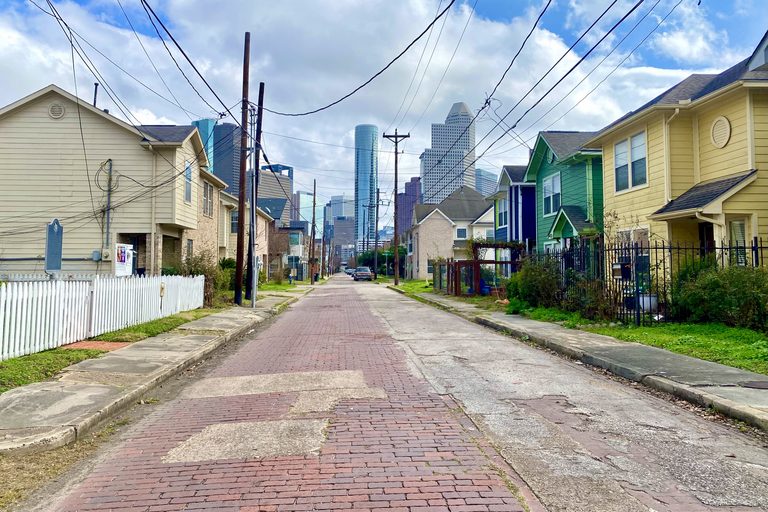
Houston City Council took a decisive step to safeguard the city’s heritage on Friday, voting to designate the 1894 residence at 1317 Ruthven Street in Freedmen’s Town as a protected landmark. The move ensures the modest home cannot be demolished and makes it eligible for a historic tax exemption and reduced parking requirements.
Why the designation matters
District C Council Member Joe Panzarella highlighted the importance of preserving Houston’s architectural legacy. “District C has all kinds of really amazing, important buildings,” he said. “And today we’re protecting one in Freedmen’s Town, a town that was founded by men and women after the Emancipation Proclamation.”
The landmark report notes that Freedmen’s Town, established by formerly enslaved people in 1865, has lost roughly 75% of its historic structures. With so few original buildings remaining, even modest houses like the Ruthven Street home serve as vital links to the community’s story.
Additional landmarks approved
In the same session, council members approved four more properties for landmark status:
- First City National Bank – 1021 Main St.
- Trinity United Methodist Church – 2600 Holman St.
- Berean Seventh-Day Adventist Church – 2119 St. Emmanuel St.
- Doney‑McElwain‑Freeman House – 2522 Calumet St.
These designations reflect a broader city effort to recognize and protect sites that embody Houston’s cultural and architectural diversity.
Public input and next steps
The council recently heard public comment on eleven properties slated for landmark consideration. While the Ruthven Street house and the four additional sites received immediate approval, votes on the remaining properties will be scheduled for future meetings.
Landmark status not only shields buildings from demolition but also opens doors to financial incentives that can help owners maintain and restore historic features. The historic tax exemption can reduce property tax burdens, and the reduced parking requirement eases development pressures that often threaten older structures.
Community response
Residents of Freedmen’s Town and preservation advocates praised the decision, noting that the designation honors the legacy of the community’s founders and provides a tangible reminder of post‑Emancipation resilience. The move aligns with Houston’s broader historic preservation goals, which aim to balance growth with respect for the city’s past.
Councilmember Panzarella emphasized that protecting historic buildings is not merely about nostalgia; it is about fostering a sense of identity and continuity for current and future generations. “These structures tell the story of who we are and where we came from,” he said.
Looking ahead
The council’s actions signal a continued commitment to preserving Houston’s unique neighborhoods. As more properties are evaluated, officials expect additional designations that will further enrich the city’s cultural tapestry while providing owners with practical benefits.
For homeowners and developers alike, the new landmark guidelines offer a clear framework for maintaining historic integrity while pursuing responsible growth.
Original reporting: Community Impact — Houston — read the source article.