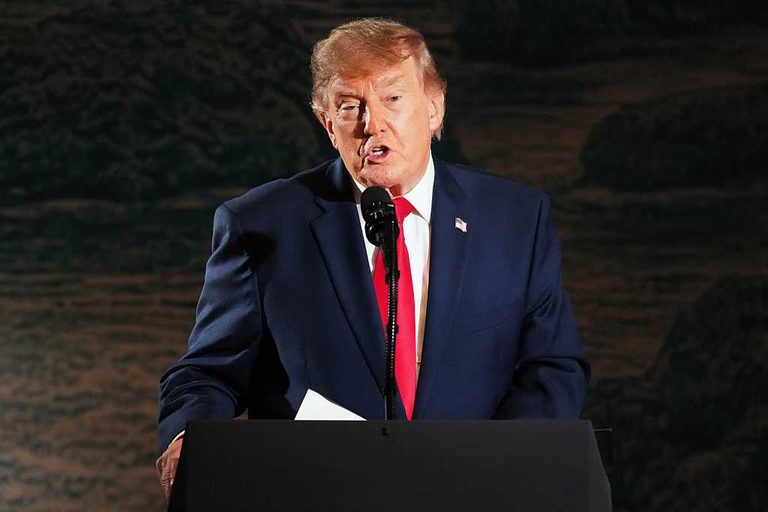
In a move that underscores the partisan clash now playing out in Washington, Rep. Robert Garcia, the incoming chair of the House Oversight Committee, sent formal letters to members of President Trump’s family and senior officials asking them to preserve documents. The letters, released Wednesday, outline a broad set of potential inquiries that Democrats hope to pursue once they assume full committee authority in January.
Democratic agenda and the Trump administration’s response
Garcia’s statement framed the action as a fight against what he called the administration’s “self‑dealing, misconduct, and abuse.” He argued that the preservation notices will lay the groundwork for legislation that benefits all Americans. The White House, however, pushed back, with spokeswoman Lauren Bis emphasizing the president’s readiness to work with anyone who delivers victories for hardworking families. Bis warned that “sham investigations and radical left policies” would only hurt the American people.
Who is being asked to preserve records?
The letters target two of President Trump’s sons, Eric and Donald Jr., Vice President JD Vance, White House chief of staff Stephen Miller, Attorney General Todd Blanche, and son‑in‑law Jared Kushner. Additional notices were sent to former ambassador Kimberly Guilfoyle, former Homeland Security Secretary Kristi Noem, and others over alleged financial conflicts and alleged misconduct at the Department of Homeland Security.
Key issues highlighted by Democrats
Garcia’s outreach mentions several focal points: the administration’s handling of the Jeffrey Epstein investigation, alleged conflicts of interest involving the Trump family’s business dealings, and the conduct of U.S. Immigration and Customs Enforcement. Democrats also cited concerns about the preservation of files related to the Epstein case, suggesting that White House officials may have tried to conceal information.
White House legal counsel’s warning
White House counsel Will Scharf responded with a letter warning that intimidation tactics aimed at executive‑branch officials could cross into criminal conduct. He cautioned that the proposed investigations might invite scrutiny from the Justice Department.
Historical context and constitutional authority
Congressional oversight is a long‑standing constitutional check on the executive branch, with historic examples ranging from Watergate to the post‑9/11 inquiries. The new oversight letters signal that, should Democrats secure the committee’s subpoena power in January, they intend to pursue a robust investigative agenda.
What this means for the Trump administration
President Trump has repeatedly asserted that his administration is delivering tangible results for American families, from economic growth to border security. While Democrats frame the preservation notices as a necessary step toward accountability, the administration views them as politically motivated attempts to distract from ongoing policy successes.
Looking ahead
As the new Congress convenes, the preservation notices will likely set the stage for a series of hearings and possible subpoenas. Both sides appear prepared for a contentious oversight battle, with the Trump administration emphasizing cooperation on legitimate matters and Democrats pressing for a thorough examination of alleged misconduct.
Original reporting: 40/29 / KHBS (NW Arkansas) — read the source article.