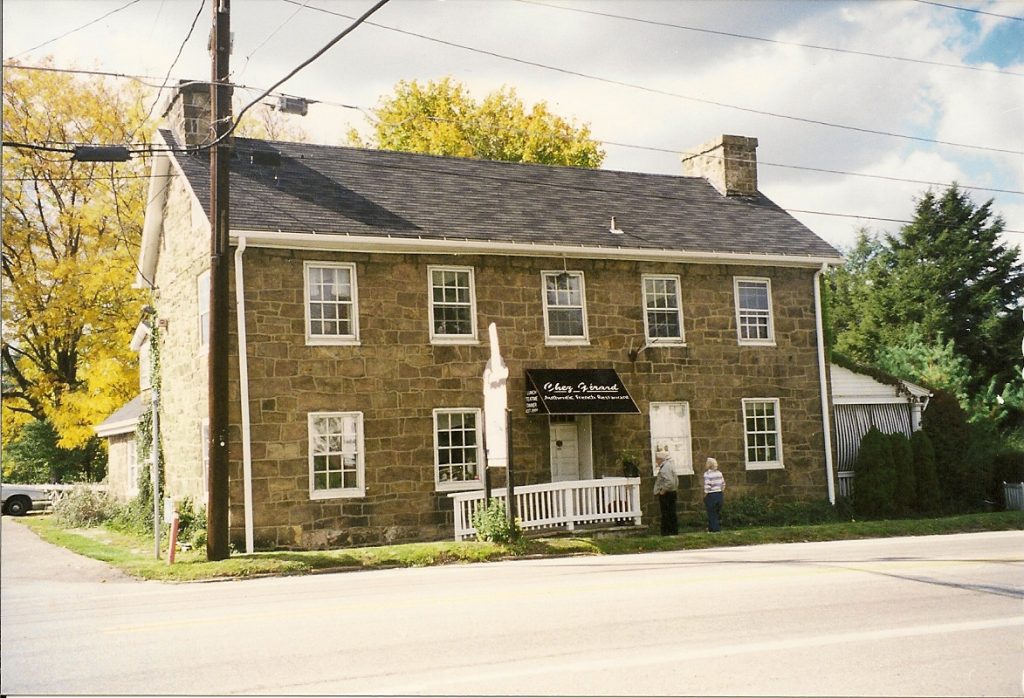
The building at the edge of Hopwood has been standing since 1796, which means it predates Pennsylvania statehood by exactly zero years and outlasted nearly every structure on this stretch of the old National Road. You probably drive past it without slowing down. That’s the first thing to reconsider.
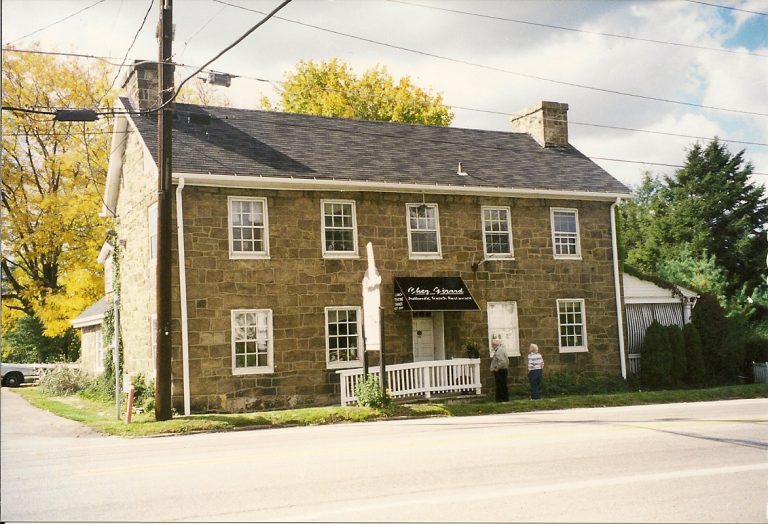
Hopwood House — sometimes called the Hopwood Tavern, depending on which historical marker you’re reading — sits on Route 40 just west of Uniontown proper, in the small borough of Hopwood. It’s a two-story stone Federal-period building, the kind that looks like it survived because nobody bothered to tear it down. That’s partially true. It also survived because the walls are roughly two feet thick.
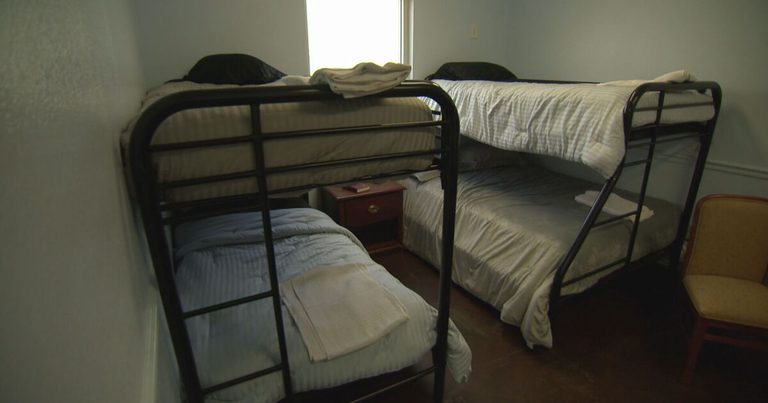
What catches most people off guard is how genuinely old the place feels on the inside. You expect a cleaned-up, painted-over version of history — the kind of restoration that swaps everything original for something that looks original. That’s not what you get here. The floors creak in a way that isn’t theatrical. The proportions of the rooms are slightly off by modern standards, ceilings a touch low, doorways a touch narrow, because they were sized for a different era and nobody reframed them.
The building served as a tavern and inn during the National Road’s peak years in the early 1800s, when this was one of the busiest overland routes in the young country. Drovers moving livestock east, wagoners hauling goods west, early federal mail coaches — they all stopped somewhere along this corridor, and Hopwood House was one of those stops. That history isn’t dressed up with costumed interpreters or gift shop merchandise. It sits quietly in the architecture itself.
When you visit, go on a weekday if you can. Weekend traffic on Route 40 makes the parking situation awkward, and the building deserves a few minutes of your attention without horns in the background. Walk the exterior first. The stonework on the east wall shows repairs from at least two different centuries if you look closely enough. The front façade still has the basic symmetry of a proper Federal inn — central door, balanced windows — though a few additions over the decades have blurred the original lines.
Access to the interior varies depending on the season and whoever currently holds stewardship of the property; it has changed hands and purposes more than once. Check ahead with the Fayette County historical preservation contacts or the Uniontown Area Historical Society before making a special trip inside. Sometimes you can walk through; sometimes you can’t. Either way, the building itself is worth seeing from the road and up close.
There’s no admission fee to look at it. There’s nothing to buy. That’s not a limitation — it’s the point. Hopwood House is one of those places that asks you to pay attention rather than spend money, and in a region crowded with ticketed attractions and curated experiences, that’s a genuinely different kind of stop.
If you’re already heading out Route 40 toward Searights or continuing west toward Washington, budget an extra fifteen minutes and pull over. The National Road corridor has more layers than most people realize, and this building is one of the ones that hasn’t been sanded smooth.