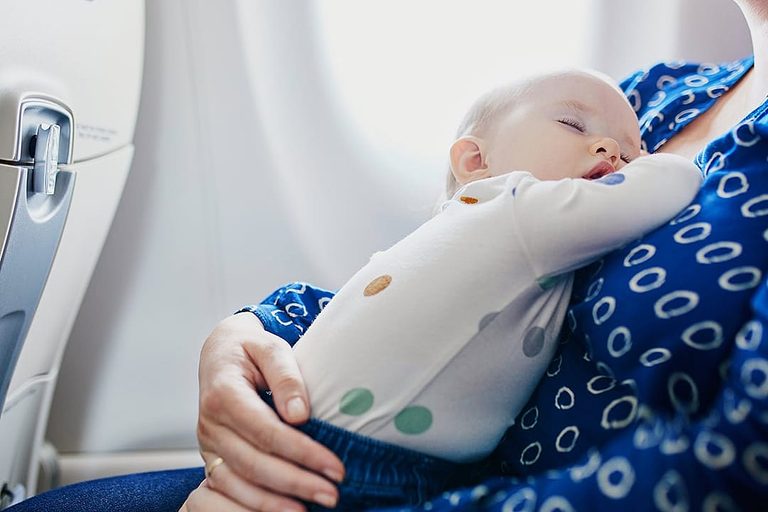
Holiday trips with a newborn often feel overwhelming, especially for breastfeeding mothers who must balance feeding, pumping, and travel logistics. This guide, based on advice from Aeroflow Breastpumps, offers practical steps to help moms stay organized, keep milk safe, and reduce stress while traveling by air or road.
Plan Your Itinerary Early
Start by mapping out the details of your journey. If you are flying, note departure and arrival times, layover lengths, and any connecting flights. For a road trip, estimate total driving time and identify potential rest stops. Remember that traveling with a baby usually takes longer than expected, so build in extra time for feeding, diaper changes, and unexpected delays.
Check Airline Policies and Seating Options
When you book tickets, decide whether your infant will travel as a lap infant or have a separate seat. Review the airline’s rules for infant baggage, stroller or car‑seat gate‑checking, and any specific requirements for seats that accommodate a car seat. If you choose a separate seat, verify that the car seat is approved for aircraft use.
Locate Lactation Spaces
Before you leave, search the websites of your departure, connecting, and arrival airports for designated lactation rooms or pods. Knowing where these private spaces are located can make it easier to schedule feeding or pumping breaks without scrambling at the last minute.
Pack Smart and Keep Essentials Accessible
Place all feeding and pumping supplies in your personal item, not in the overhead bin, so they are within reach. Use separate pouches for pump parts, cleaning supplies, and milk storage containers. Include a cooler with ice packs—TSA permits breast milk, formula, and cooling packs in quantities larger than the standard 3.4‑ounce liquid limit, even if the baby is not traveling with you.
Know TSA and Airline Rules
At security checkpoints, inform the officer that you are carrying breast milk, formula, or cooling packs. Screening may take a few extra minutes, so allow additional time. Your electric breast pump can also go through security, but remember that airline baggage policies may differ from TSA guidelines, so double‑check both before you travel.
Prepare for In‑Flight Feeding and Pumping
During takeoff and landing, changes in cabin pressure can cause ear discomfort for babies. Breastfeeding, offering a bottle of expressed milk, or using a pacifier can help alleviate the pressure. If you need to pump on the plane, consider a battery‑operated or wearable pump and verify whether power outlets are available at your seat.
Road‑Trip Strategies
Driving offers more flexibility for feeding breaks. Identify rest areas, travel centers, or other safe spots along your route where you can pull over to breastfeed or pump. Never unbuckle or remove your baby from the car seat while the vehicle is moving; always park safely before feeding.
Storage Guidelines for Expressed Milk
According to CDC guidelines, freshly expressed milk can be kept at room temperature (77 °F or cooler) for up to four hours, refrigerated for up to four days, or frozen for about six months for best quality. When you arrive at your destination, transfer milk to a refrigerator or freezer as soon as possible. If you’re staying with family, ask ahead about available refrigerator space.
Stay Flexible and Expect the Unexpected
Holiday traffic, winter weather, and road closures can add hours to any trip. Pack extra milk storage containers, cleaning supplies, and plenty of water. Allow extra time for diaper changes, bathroom breaks, and meals for parents. The goal isn’t to follow your usual routine perfectly but to find what works for you and your baby while away from home.
With these steps—clear itinerary planning, knowledge of airline and TSA policies, organized packing, and a flexible mindset—breastfeeding mothers can travel confidently this holiday season and focus on creating cherished family memories.
Original reporting: KRDO (Colorado Springs metro) — read the source article.