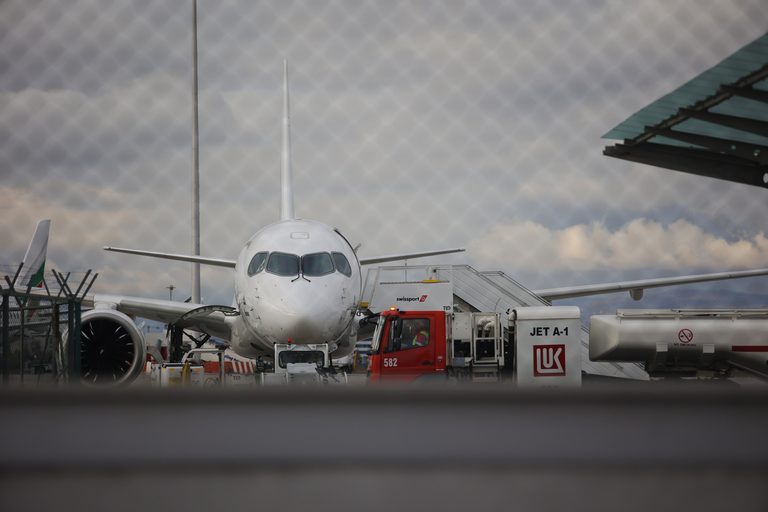
Dozens of commercial flights across Europe were targeted by hoax bomb threats this week, prompting plane searches, diversions, emergency landings and, in some cases, military escorts. While no suspicious items were found and no injuries reported, the spate of threats raised concerns about aviation safety and the potential for coordinated hybrid attacks.
Widespread disruptions but limited overall impact
European air‑traffic authorities say the incidents caused only minimal disruption to the broader aviation system. Nevertheless, airlines were forced to scramble, grounding aircraft for thorough inspections and, in a few instances, diverting flights to alternate airports. In Amsterdam, Dutch military police (Marechaussee) detained a man at Schiphol Airport in connection with a threat to a flight bound for Prague; the individual was released the following day after the aircraft departed safely.
Possible links to broader cyber‑threat landscape
Security experts note that the timing coincides with a wave of other European disruptions, including attacks on supermarket refrigeration systems and drone incursions. Italian Foreign Minister Antonio Tajani reported that his personal data had been posted on the dark web, and Italian Prime Minister Giorgia Meloni blamed pro‑Russian hackers for the leak. While no group has claimed responsibility for the airline threats, an email sent to Rome airport authorities claimed to be from an “anti‑feminist” group targeting a “feminist regime.” A similar message was received by another European airport, though authorities have not confirmed a common source.
Experts weigh in on motives and safety
Matthew Borie, co‑founder and chief intelligence officer of Osprey Flight Solutions, suggested several possible explanations, ranging from a single individual inspiring copycat threats to state‑backed “hybrid warfare” operations. He warned that Russian actors could be involved, but also highlighted active Iranian hybrid‑warfare efforts in certain European pockets.
Jacob Funk Kirkegaard, a senior fellow at the Bruegel think‑tank in Brussels, described the threats as a “stress‑test” of European governments’ and airport officials’ response capabilities. He warned that the aim may be to sow chaos and undermine confidence in the reliability of European air travel, potentially leading to economic damage and costly inspections.
Travelers urged to stay calm
Both Borie and officials emphasized that national authorities have coordinated response mechanisms, including the occasional deployment of NATO fighter jets to escort suspect flights. Their message to travelers is simple: don’t be alarmed. While the incidents are unsettling, the swift actions of security agencies have kept the situation under control.
Upcoming security discussions
Security experts are scheduled to meet in Brussels next week to discuss measures for handling such hoaxes more effectively. The meeting aims to improve coordination among European nations and to develop strategies that deter future attempts to disrupt air travel.
As investigations continue, authorities have not attributed the threats to any specific group or state actor. The lack of concrete evidence means the full motive behind the hoax bomb threats remains unclear, but officials remain vigilant and prepared to respond to any further incidents.
Original reporting: Richardson, TX News (HLL/CB) — read the source article.