Fort Dupont Park covers roughly 376 acres across Ward 7, making it the largest park in the D.C. National Capital Parks system — bigger than Rock Creek’s most-visited sections, bigger than the Mall grounds, and almost entirely overlooked by the kind of visitor who sticks to the monuments. Most Washingtonians east of the Anacostia know it well. Most west of it have never been.
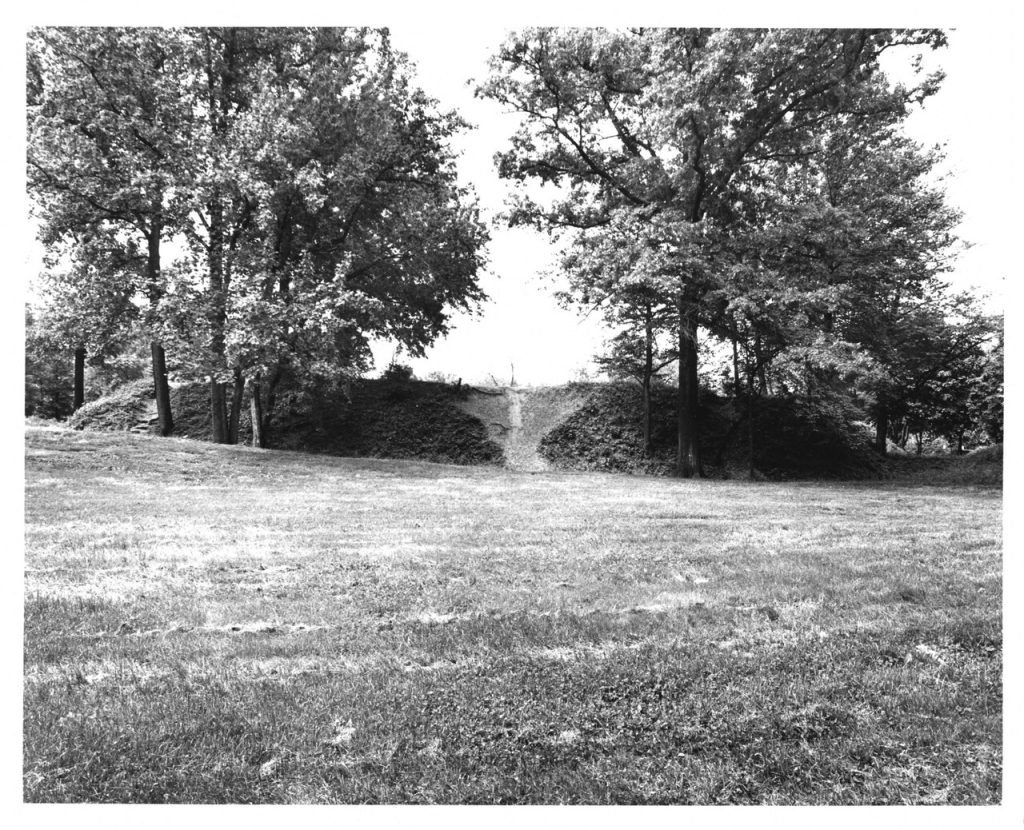
The park sits on a long wooded ridge in the Congress Heights and Randle Highlands neighborhoods, named for the Civil War earthwork fortification that once crowned it. The old fort lines are still readable in the terrain — raised embankments, shallow ditches, sight lines cleared toward what would have been enemy approaches. Walk the ridge trail on a gray Tuesday in January, when the leaves are down and the city noise drops out, and the geometry of a 160-year-old defensive position becomes surprisingly legible underfoot.
The trail network is modest by wilderness standards but genuinely pleasant: about five miles of paved and unpaved paths winding through mature hardwood forest. The main loop follows the ridge and connects to lower trails near Fort Davis Drive. Mountain bikers use it. Trail runners use it. Dog walkers are constant. On weekend mornings the parking lots along Minnesota Avenue fill with families who’ve been coming here for generations. This is not a place people discovered recently. It has regulars.
In summer, Fort Dupont has hosted free outdoor concerts for decades — jazz, go-go, R&B — continuing a tradition that predates most of the city’s current music venues. The amphitheater sits in a natural bowl on the park’s east side. Bring a blanket and something to eat; the programming runs Friday evenings through the warmer months and draws a genuinely mixed crowd. There’s no admission charge. Parking is free. The whole thing operates on the kind of low-key civic faith that is rarer than it should be.
The park also contains an ice rink — the Fort Dupont Ice Arena — which runs through winter and serves as a real neighborhood rink rather than a tourist attraction. Admission for public skate sessions runs around $4–$7 depending on age, and skate rentals are available. On a weekday afternoon in February, you’ll share the ice with maybe a dozen people, mostly kids from nearby schools. It’s the least self-conscious ice rink in the city.
Getting there is straightforward. The Capitol Heights or Benning Road Metro stations on the Blue and Silver lines put you within walking distance of the park’s eastern edges. By car, take Minnesota Avenue southeast from Benning Road. There are several parking areas; the one near the nature center is the most useful if you’re hiking.
No food vendors operate inside the park, so bring your own. The surrounding neighborhood has a handful of carry-out spots along Minnesota and Pennsylvania avenues SE, including longtime carryouts that have no Yelp pages and no reason to need them.
Fort Dupont won’t give you a dramatic view or a manicured experience. What it gives you is quiet, scale, and the specific pleasure of a large piece of urban forest that has been maintained for the public good without being curated for anyone’s Instagram. That’s worth the drive across the river.