Melissa Beauchemin faced a dilemma when the windows in her condo at 674 Quinnipiac Avenue began failing. One pane fell and shattered a fan, several others cracked, and the kitchen window was sealed shut. Concerned for safety—especially if she ever had small children—she petitioned New Haven’s Historic District Commission (HDC) for permission to replace all 14 windows.
Commission hearing and vote
At a Wednesday night meeting in City Hall, the HDC deliberated the request. The commission, which oversees visible exterior changes in the Quinnipiac River Local Historic District, voted 3–2 to approve the replacement. Commissioners Karen Jenkins, Richard Munday, and Dylan Christopher supported the plan, while Chair Trina Learned and Vice Chair Michael Waters opposed it.
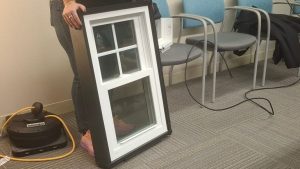
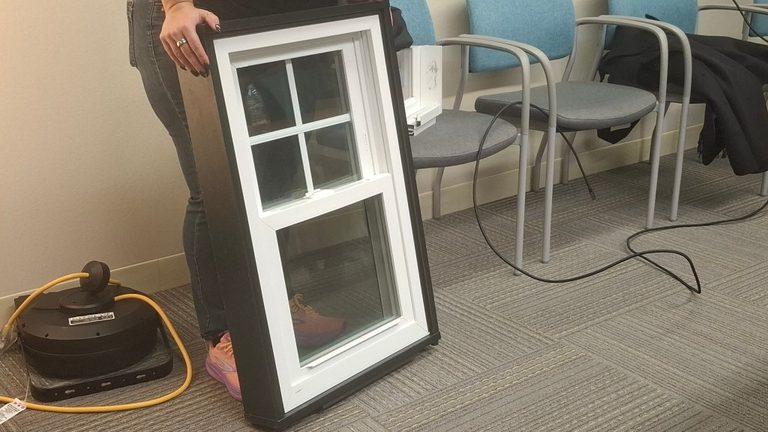
The approved windows will be custom‑made vinyl, double‑paned, and filled with argon gas for greater energy efficiency. To satisfy preservation guidelines, the vinyl units must feature exterior grids that mimic traditional divided‑pane windows.
Arguments from both sides
Beauchemin argued that the existing windows were unsafe and that she had not been warned that her unit lay within a historic district when she purchased it in July. “I’m a decent human, I try to do the right thing, and I’d rather live in a city where people matter more than what the building looks like,” she said.
Trina Learned described the complex as “disposable architecture” and warned that vinyl would never convey durability. Vice Chair Michael Waters echoed that sentiment, noting the original design intent for historic‑style windows.
In contrast, Commissioner Dylan Christopher urged the board to “embrace alternatives to wood,” calling the building an ideal case for testing new materials. Richard Munday emphasized budget concerns, stating the complex was “built to a price” and that residents need affordable options.
Window Nation’s exterior design consultant Tricia LaSasso‑McNary testified that the river‑facing windows are rarely seen up close and that the cost difference between wood and vinyl could exceed $1,000 per window. She argued the vinyl units would be more energy‑efficient than Connecticut’s standard requirements.
Next steps
The condo association plans to propose window standards for the entire complex in early 2027. City Plan Director Laura Brown reminded commissioners to evaluate each application on its own merits, noting that other owners had replaced windows without prior approval, creating a “hodgepodge” of styles.
Beauchemin expressed relief, saying, “I feel like I have just given birth,” and noted that installation is slated for the second week of December.
Original reporting: New Haven Independent — read the source article.