Maryland lawmakers in 2025 learned of a mass, unmarked grave near the former House of Reformation and Instruction for Colored Children—now the Cheltenham Youth Detention Center—where an estimated 243 Black youths died while incarcerated. This discovery sparked a broader Capital News Service investigation into early juvenile detention facilities across the United States.
National Scope of Tragedy
The study documented 1,349 youth deaths in 96 facilities from 1825 through 2011. More than half of the institutions faced abuse allegations, and over one‑fifth were accused of forced labor. Cheltenham and New York’s House of Refuge each recorded 243 deaths, topping the list.
Notable Cases of Fatal Abuse
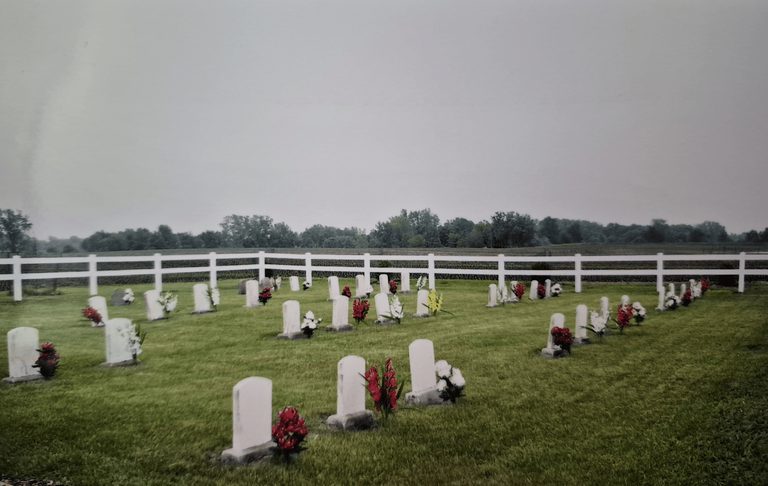
One of the most harrowing incidents occurred in Arkansas in 1959, when 21 boys were locked inside a dormitory at the Negro Boys Industrial School in Wrightsville. A fire claimed the lives of 21 boys; only 48 escaped by breaking window screens. Fourteen of the victims were buried in a mass grave, later commemorated with headstones in 2018.
Hidden Cemeteries and Ongoing Investigations
The research identified 28 cemeteries on former reform school grounds, ranging from well‑kept sites at the still‑operating Eldora State Training School in Iowa to obscure plots at the former Virginia Industrial Home School for Colored Girls. Maryland has opened a formal investigation into the Cheltenham cemetery and installed a historic placard acknowledging abuse and forced labor.
Racial Disparities and Forced Labor
Black youths were segregated for decades and often subjected to harsher conditions, including forced laundry work and indentured servitude—practices not reported at comparable white facilities. The Negro Boys Industrial School functioned as a juvenile work farm, and similar labor exploitation was documented at other Southern institutions.
Modern Context and Ongoing Concerns
A 2025 Prison Policy Initiative report noted that American youths are incarcerated at twice the global average, with Black youths comprising 47% of boys and 39% of girls in juvenile prisons despite representing only 18% of the youth population. The report warned that one in twelve youths still ends up in adult facilities, and abuse reports persist.
Alison Cornyn, director of the Incorrigibles project, emphasizes the need to understand these historic injustices to prevent future occurrences. “We need to understand how this happened, and why it happened, so we can prevent it from happening again,” she said.
Original reporting: Baltimore Fishbowl — read the source article.