Residents of Little Rock’s Hillcrest neighborhood are awaiting the release of a comprehensive historic‑district survey that city staff expect to complete by January 2027, according to the Arkansas Times. The survey, the first of its kind since the late 1980s, will determine how many homes still meet the criteria to be considered contributing structures within the district.
Hillcrest, developed primarily between 1890 and 1940, was added to the National Register of Historic Places in 1990. Under Arkansas law, homeowners with contributing historic homes can apply for a 30% tax credit, capped at $30,000, for rehabilitation projects that follow district design guidelines. To qualify as a contributing property, a building must be at least 50 years old and add to the area’s historic or architectural significance. Contributing structures must comprise at least 51% of the district; falling below that threshold could force a redrawing or splitting of the district’s boundaries.
“Staff are currently reviewing the documentation and determining contributing and non‑contributing designations for each property,” said Marty Ryall, director of the Department of Arkansas Heritage. “We anticipate completing this phase of the work by January 2027.” Ryall noted that the city’s survey was conducted in phases using Certified Local Government grants funded through a National Park Service grant to the Arkansas Historic Preservation Program.
Local stakeholders expressed mixed expectations. Bob Keltner, architect and chair of the Hillcrest Residents Association’s Preservation and Planning Committee, told the Arkansas Times, “At this point, we’ll see how it goes. I guess it depends on if you’re an optimist or a pessimist.” Historic‑preservation consultant Antoinette Johnson added that the district had recently slipped close to the 51% threshold, prompting the association to increase education about the tax‑credit program.
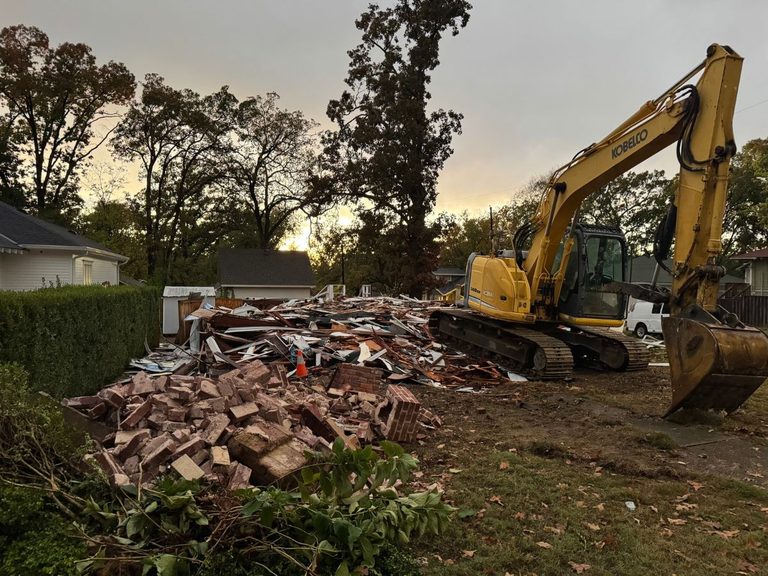
Recent demolition approvals have heightened concerns. The Little Rock Planning Commission approved the demolition of a Dutch Colonial home at 4523 Woodlawn Drive—built in 1928 and listed as a contributing structure on the original National Register application—earlier this month. Additionally, the association learned of a planned teardown at 224 Beechwood St. on Nov. 2. Keltner said the association can only advocate and educate, as it lacks authority to block demolitions.
City regulations within the Hillcrest Design Overlay District limit project size and scope, but developers are not required to preserve the neighborhood’s architectural rhythm. Ryall emphasized that historic districts are not static: “Over time, additional properties may become eligible for inclusion as they reach the minimum age threshold of 50 years and contribute to the district’s historic significance.”
What’s next: The city and Arkansas Historic Preservation Program will review the survey findings and share results with officials before deciding whether any boundary adjustments are needed. Residents can expect a public briefing on the final designations after the January 2027 completion date.
Sources: arktimes.com